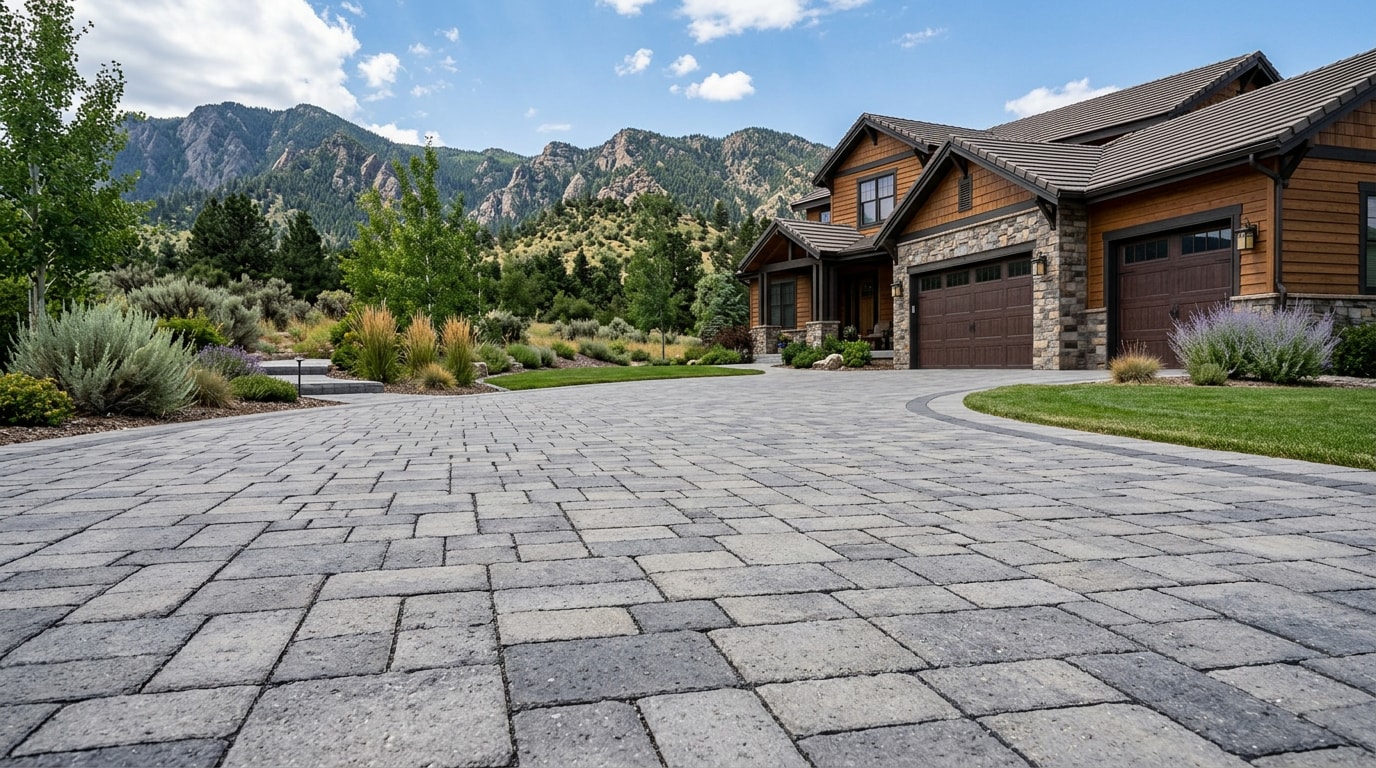
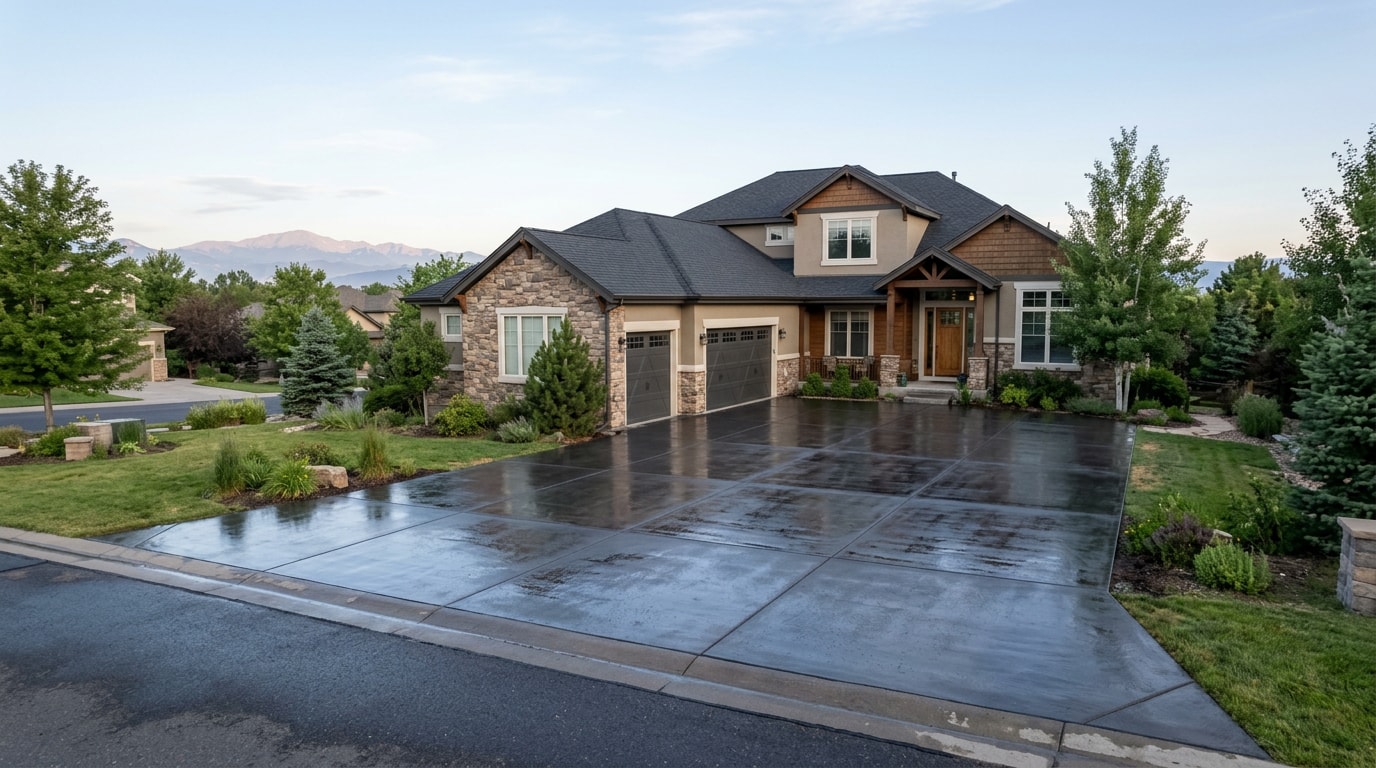
A concrete driveway sealer in the South Denver suburbs isn't optional maintenance, it's armor against a climate that swings from sunny and 55°F to below freezing overnight. Homeowners in Highlands Ranch, Lone Tree, Parker, Castle Rock, and Centennial lose driveway surface to scaling and spalling faster than almost anywhere else in the country because of that swing. This guide breaks down which sealer fits your slab, what it costs in 2026, and how often to redo it so the investment actually holds up.
Why Concrete Driveway Sealer Matters in the South Denver Suburbs
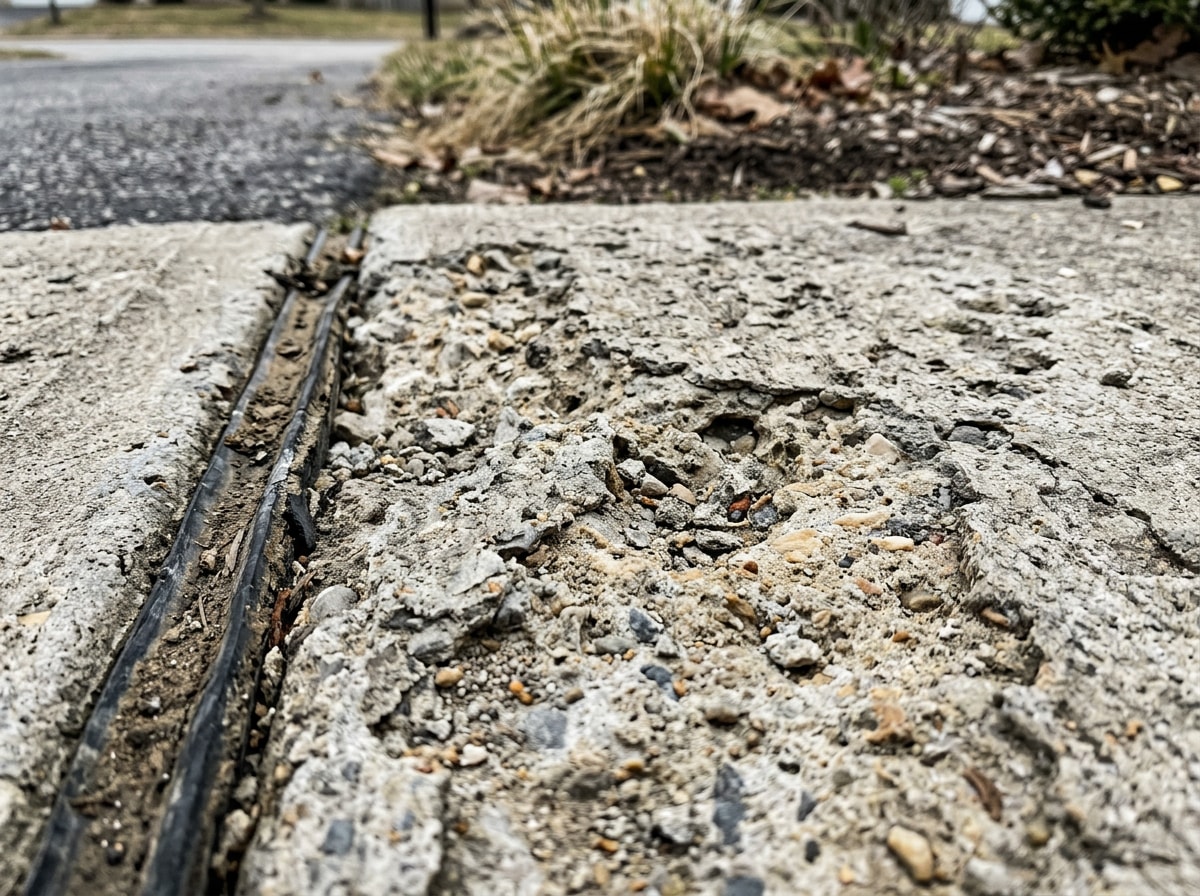
Unsealed concrete here fails on a predictable timeline. Water works into the pores of cured concrete, freezes overnight, and expands. Do that enough times in one winter and you get scaling, pitting, and eventually chunks lost near joints and edges.
De-icer use speeds this up. Of the various chloride-based deicers, magnesium chloride causes the greatest degradation of concrete , and it's the product most South Denver suburb homeowners reach for because it works at lower temperatures than rock salt. On top of that, deicers tend to amplify freeze-thaw deterioration which can lead to surface defects and possible structural failure .
High-altitude UV exposure adds a third stress. The Front Range sits well above sea level, and that thinner atmosphere lets more ultraviolet radiation through, which breaks down an unsealed or under-sealed surface faster than it would at lower elevations.
In our own crews' experience sealing driveways across Highlands Ranch and Castle Rock, the slabs that hold up best aren't the newest ones, they're the ones on a consistent resealing schedule, regardless of age.
Penetrating vs. Acrylic Concrete Driveway Sealer: Which Fits Your Driveway
The sealer choice comes down to one question: is your driveway plain broom-finish concrete, or is it stamped and colored? That answer drives almost everything else.
Penetrating Sealers for Standard Driveways
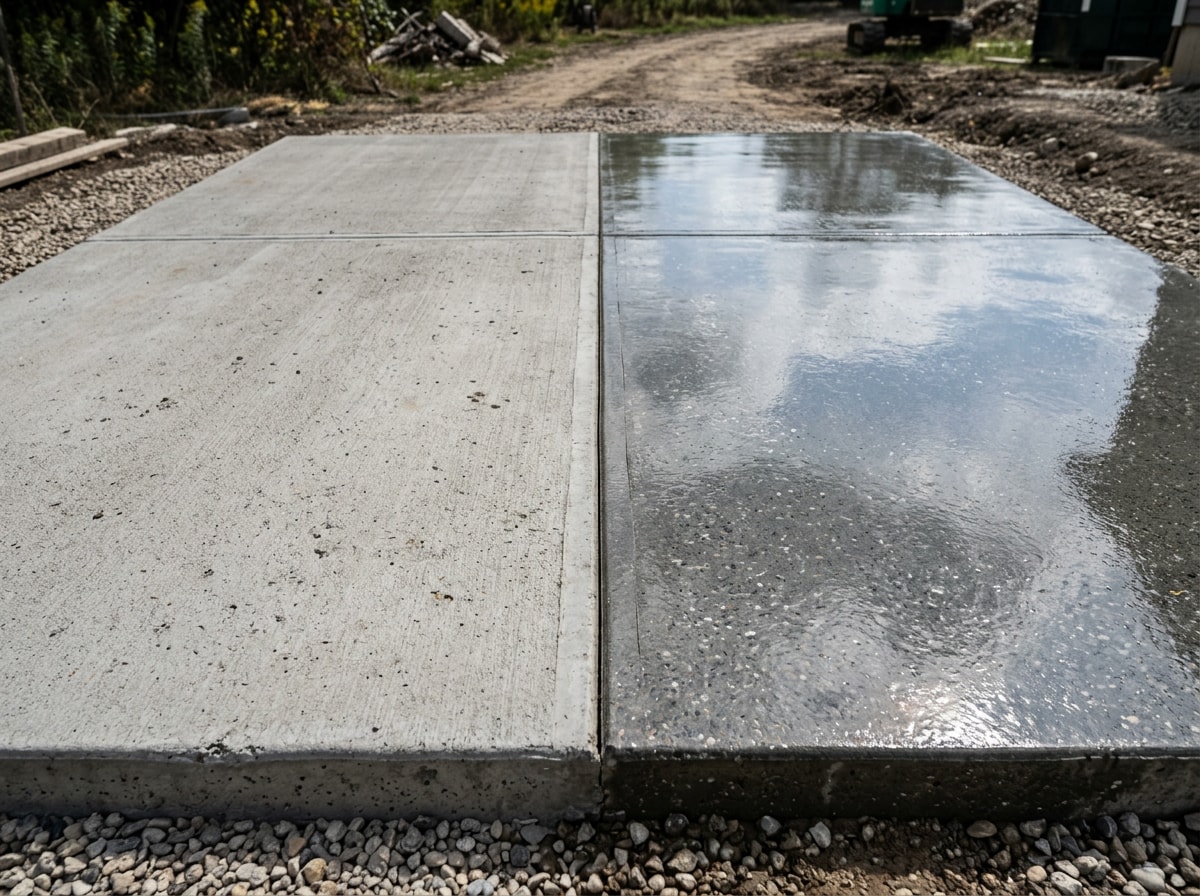
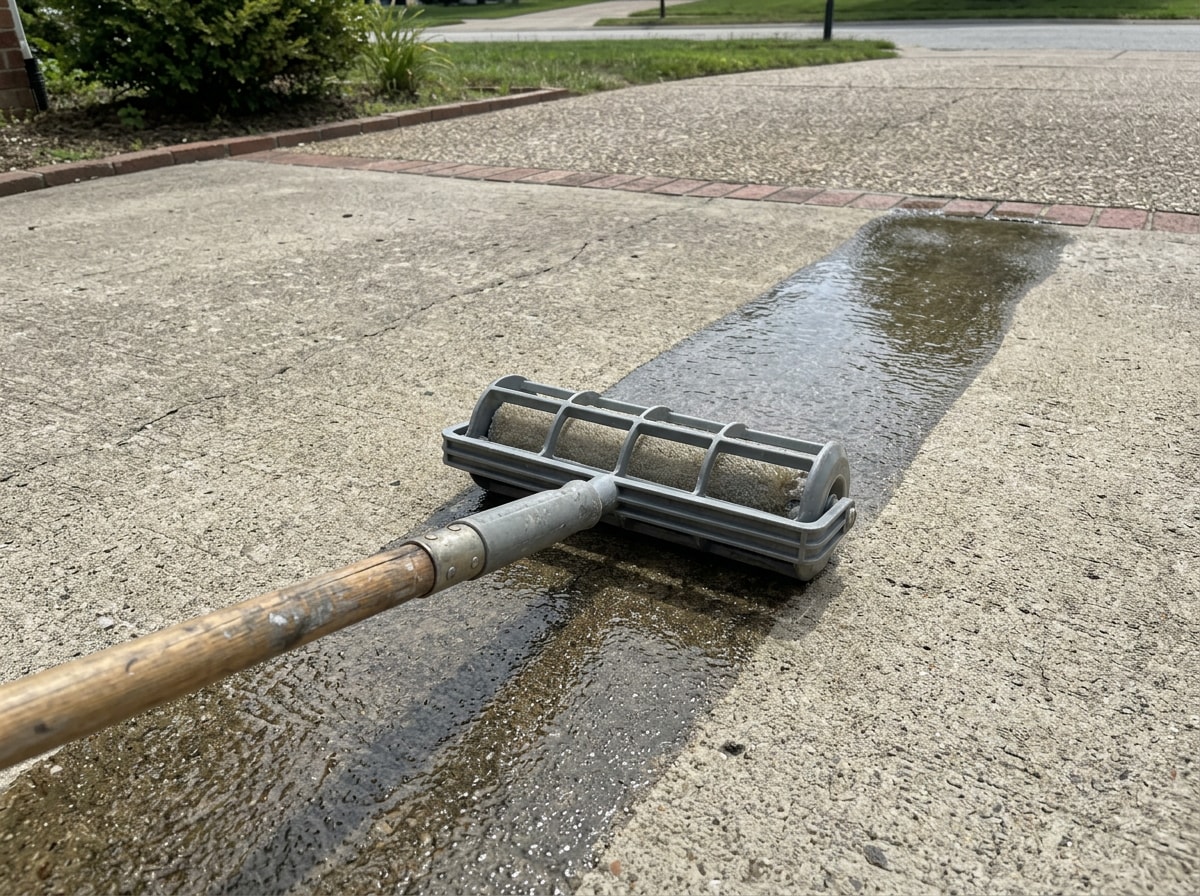
A penetrating sealer soaks below the surface and bonds chemically with the concrete, repelling water without changing the look or feel of the slab. For a standard broom-finish driveway, it's the default recommendation from most concrete professionals, because it won't peel, yellow, or turn slippery underfoot.
Silane-siloxane chemistry is the most common penetrating formula in use today, and it isn't just a residential product. The current practice for the Colorado DOT is to apply CDOT-approved silane sealers to bridge decks that face the same freeze-thaw and de-icer exposure your driveway sees every winter. If the state trusts that chemistry on infrastructure, it's a reasonable baseline for a driveway.
Acrylic Sealers for Stamped & Colored Driveways
Acrylic sealers form a thin film on top of the concrete instead of soaking in, and that film is what gives stamped or integral-color driveways their sheen. For decorative concrete, acrylic is usually the better match; for plain gray concrete, it's more product than most homeowners need.
Acrylics come in water-based and solvent-based versions. Solvent-based versions tend to produce a deeper, glossier finish, but almost all the organic solvents in coatings are classified as VOCs, meaning they are subject to EPA regulation , which is part of why many homeowners now choose lower-odor, water-based formulas instead. The rule that matters most at resealing time: always match the base type already on the driveway. Mixing water-based over solvent-based (or the reverse) can cause bonding failures and a cloudy finish.
Concrete Driveway Sealer Cost in the South Denver Suburbs
Sealing cost is a different conversation than replacement cost, and it's usually the number homeowners actually want. Penetrating sealers run lower per square foot than acrylics since they need less material and a single-coat application; acrylic and stamped-concrete jobs cost more due to multi-coat processes and decorative detailing.
| Suburb | Penetrating Sealer | Acrylic / Stamped Sealer |
|---|---|---|
| Highlands Ranch | Lower range | Mid range |
| Lone Tree | Mid range | Higher range |
| Parker | Lower-to-mid range | Mid range |
| Castle Rock | Mid range | Higher range |
These are general planning tiers, not firm quotes. Actual pricing depends on driveway condition, access, prep work, and sealer brand. For a number specific to your slab, get a free estimate based on current measurements.
How Often to Reseal (and How to Tell It's Time)
Resealing frequency depends on which sealer is already on your driveway. Penetrating sealers typically last three to five years before they need a fresh application. Acrylic film-forming sealers wear faster and usually need redoing every two to three years, especially on driveways that see heavy de-icer use.
A simple field test works better than guessing by the calendar:
- Pour a cup of water on the driveway surface.
- If it beads up, the seal is still working.
- If it soaks in within 30 seconds, resealing is overdue.
New concrete should never be sealed early. A full 28-day cure is required before any sealer goes down, because sealing too soon traps moisture that hasn't finished escaping the slab. Between resealing cycles, sweep debris regularly, pressure wash once or twice a year, and avoid de-icing salt on a newly sealed surface for a few weeks while the product fully cures.
Common Concrete Driveway Problems Sealing Helps Prevent
Spalling
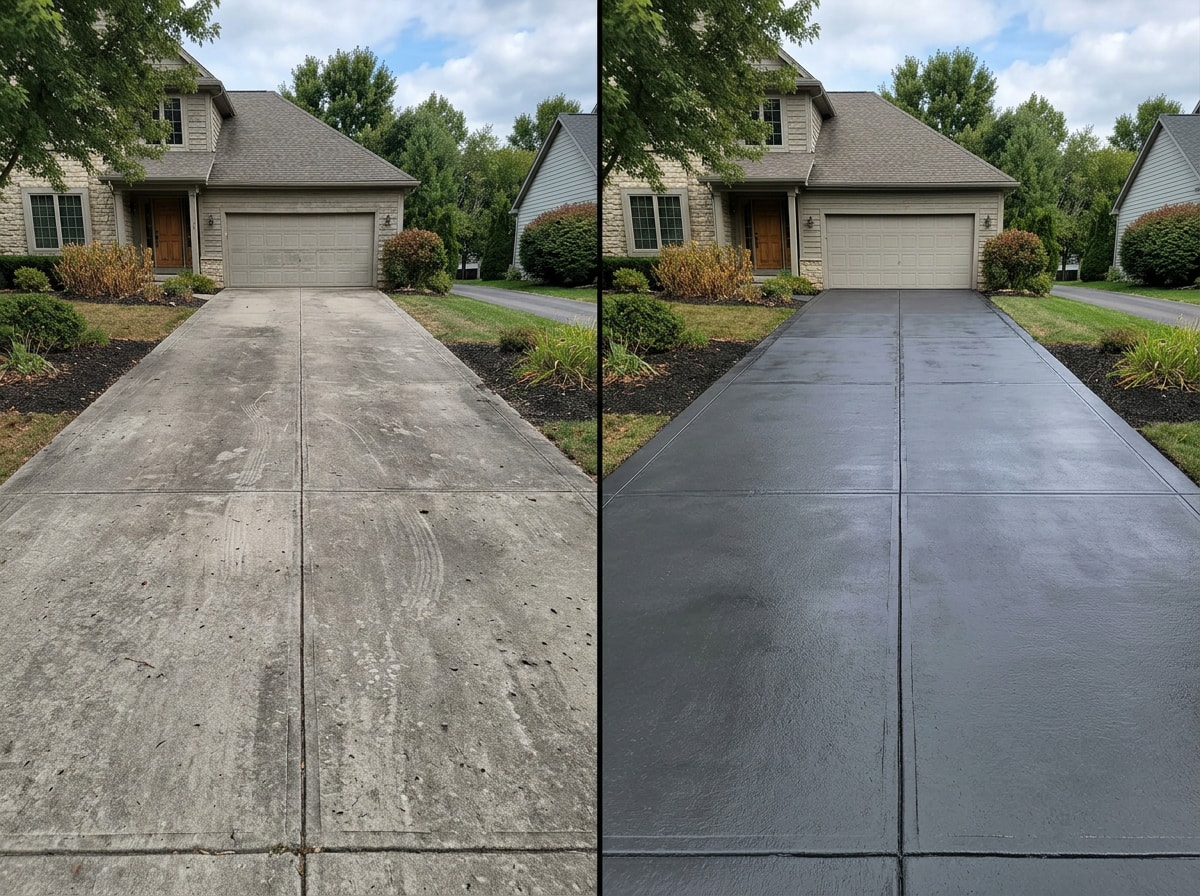
Spalling is the flaking, pitting, or chunk-loss that shows up near joints and edges. It's driven by moisture trapped in the concrete that freezes and expands from the inside out. A penetrating sealer blocks that moisture intake at the source, which is why it's the standard defense against joint damage in freeze-prone climates like this one.
Surface Dusting
Surface dusting shows up as a fine, chalky residue on the slab, usually from weak surface paste breaking down under traffic and weather. A protective sealer locks that surface layer in place, stopping the breakdown before it starts.
If you're planning new concrete rather than resealing existing flatwork, our concrete installation team can build the slab and schedule the first seal coat together, which avoids the gap where unsealed new concrete is most vulnerable. For driveways with stamping or color, our stamped concrete crew matches sealer chemistry to the finish during installation.
Choosing a Concrete Sealing Contractor in the South Denver Suburbs
Picking the right contractor matters as much as picking the right sealer. Confirm the company is licensed and insured, and ask specifically about local experience with freeze-thaw cycling and elevation-related UV exposure. Generic sealing experience from a milder climate doesn't always translate here.
A solid written estimate spells out the exact sealer type, number of coats, and expected cure timing before work starts. Ask about warranty terms too, reputable contractors stand behind their work for a defined period rather than leaving it vague.
Serving Highlands Ranch, Lone Tree, Parker, Castle Rock, and Centennial, our crew offers a straightforward process from first estimate to cured, sealed driveway. See more of our finished work on the projects page, review our coverage across the South Denver suburbs, or request your free estimate to get a number specific to your driveway.
For homeowners in nearby mountain communities comparing sealer options for a different climate profile, our Concrete Sealer in Evergreen, CO guide covers how elevation and tree cover change the timing.
About the Author
This guide was written by Derek Pepper, owner of Pepper's Land Design, a landscape, hardscape, and concrete contractor serving the Denver metro area including the South Denver suburbs. Questions about a specific driveway or sealer product can go straight to our contact page.
FAQ
Should I seal my concrete driveway in Denver's south suburbs?
Yes. The combination of frequent freeze-thaw cycling, magnesium chloride de-icer use, and high-altitude UV exposure makes sealing far more important here than in milder climates.
Why does concrete scale and spall so much in this climate?
Repeated freeze-thaw cycling forces trapped moisture to expand inside the slab, stressing the concrete from within near joints and edges. Sealing reduces how much moisture gets in to begin with, which slows both scaling and spalling.
How often should I reseal my driveway?
Penetrating sealers typically need resealing every three to five years. Acrylic sealers wear faster and usually need redoing every two to three years. The water-bead test is the most reliable way to check: if water soaks in instead of beading, it's time.
What type of sealer is best for a concrete driveway?
It depends on the finish. Plain broom-finish driveways do best with a penetrating sealer. Stamped or colored concrete typically calls for an acrylic sealer to preserve the sheen and color.
Can I seal my own driveway, or should I hire a pro?
DIY sealing is possible on a small, undamaged driveway, but matching the right chemistry, prepping the surface correctly, and timing the application around weather windows is where most DIY jobs go wrong. A pro also knows whether your existing sealer is water-based or solvent-based, which matters at resealing time.
How long after sealing can I park on the driveway?
Most sealers need 24 to 48 hours of dry time before foot traffic and several days before vehicle weight, depending on temperature and humidity. Always follow the product's specific cure schedule rather than a general rule of thumb, since cold nights slow curing.