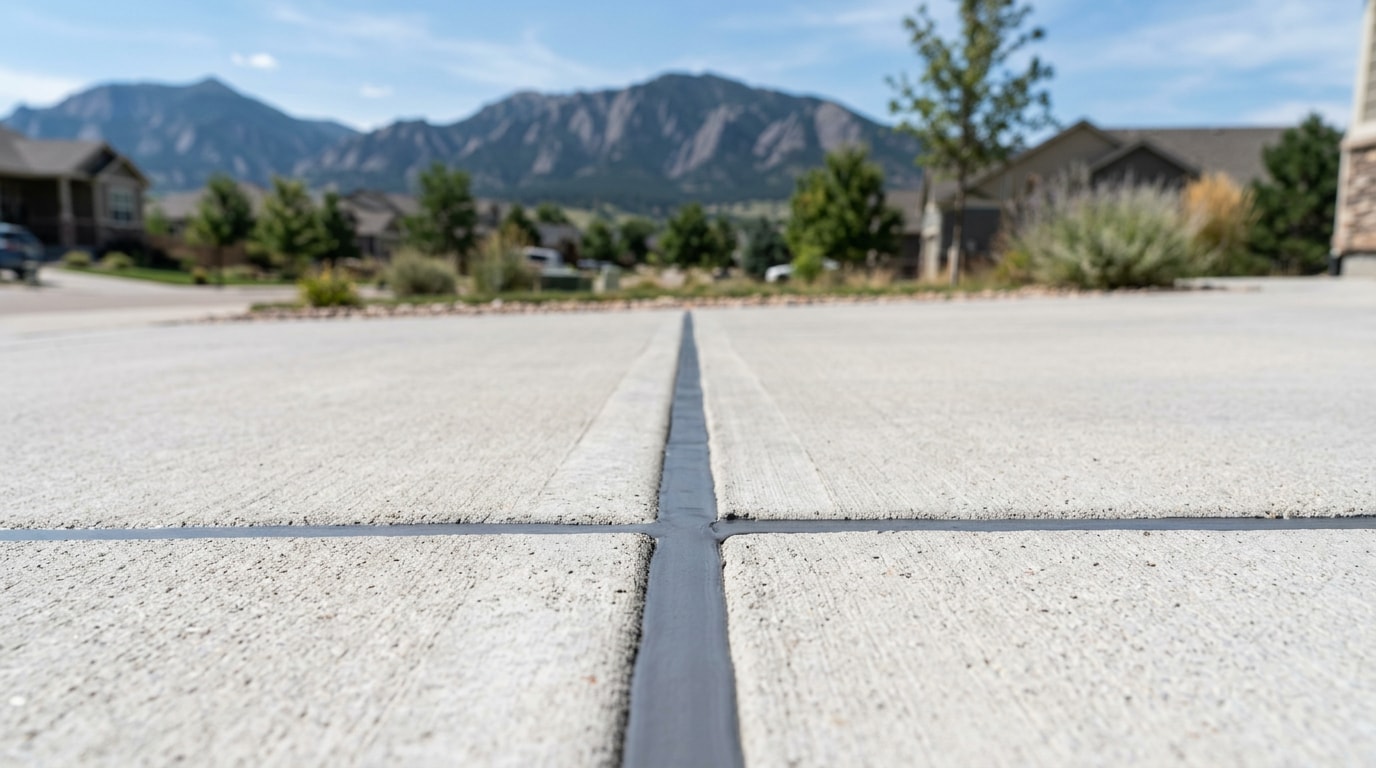
Choosing the right concrete sealer in Evergreen, CO is not a cosmetic afterthought, it is what decides whether your driveway survives ten mountain winters or cracks apart in three. At 7,220 feet, your slab faces more freeze-thaw cycles and a shorter sealing window than concrete down in Denver. Here is exactly which sealer to use, when to apply it, and how to tell when yours has already failed.
Our crews at Peppers Land Design have installed and sealed concrete driveways, patios, and retaining walls throughout Evergreen and the surrounding foothills for years. The schedule below reflects what we actually see in the field above 7,000 feet, not just what the product label promises.
Why Concrete Sealer Matters More in Evergreen's Mountain Climate
Concrete is porous. Water seeps into tiny surface pores, freezes overnight, expands, and slowly pries the surface apart, a process called scaling or spalling that worsens with every freeze-thaw cycle.
Four threats drive the need for regular sealing at elevation:
- Freeze-thaw damage from repeated overnight freezing of trapped moisture
- High-altitude UV fading, since intense mountain sun breaks down sealer film faster than at sea level
- Deicing-salt and chemical staining, which is worse here because
concrete coatings and sealers reduce the ingress of chlorides from deicing products, protecting embedded reinforcing steel from corrosion, and also protect concrete from moisture, stains, and wear
- Moisture intrusion that encourages weeds or moss in cracks
Evergreen also gets a shorter sealing season than flatland Denver. The timing of the first freeze lines up closely with elevation, with high country arriving earlier and lower elevations on the plains later , according to Colorado Climate Center data. That means homeowners here have less margin for error on timing.
A sealed surface is one of the simplest ways to protect your investment in a concrete driveway or patio from this compounding wear.
Types of Concrete Sealer
Not every sealer behaves the same way once it is on your driveway. The right pick depends on whether your priority is invisible freeze-thaw protection or a visible change in surface appearance.
Penetrating Sealers (Silane/Siloxane)
Penetrating sealers soak into the concrete and form an invisible, water-repellent barrier below the surface without changing how it looks or feels underfoot. Silane and siloxane formulas are the most common types, chosen because they block moisture at the molecular level rather than sitting on top.
For plain, non-decorative driveways in a freeze-thaw mountain climate like Evergreen's, a silane/siloxane sealer is typically the default recommendation. Sealing every 3 to 5 years with a penetrating product is critical in Colorado, per ACI guidelines . It preserves the natural concrete look and will not peel the way surface coatings sometimes do.
Topical / Acrylic Sealers
Film-forming acrylic sealers sit on top of the slab, adding sheen, enhancing color, and improving stain resistance. The tradeoff is durability: intense high-altitude UV wears these topical sealers down faster than at lower elevations, so expect more frequent upkeep.
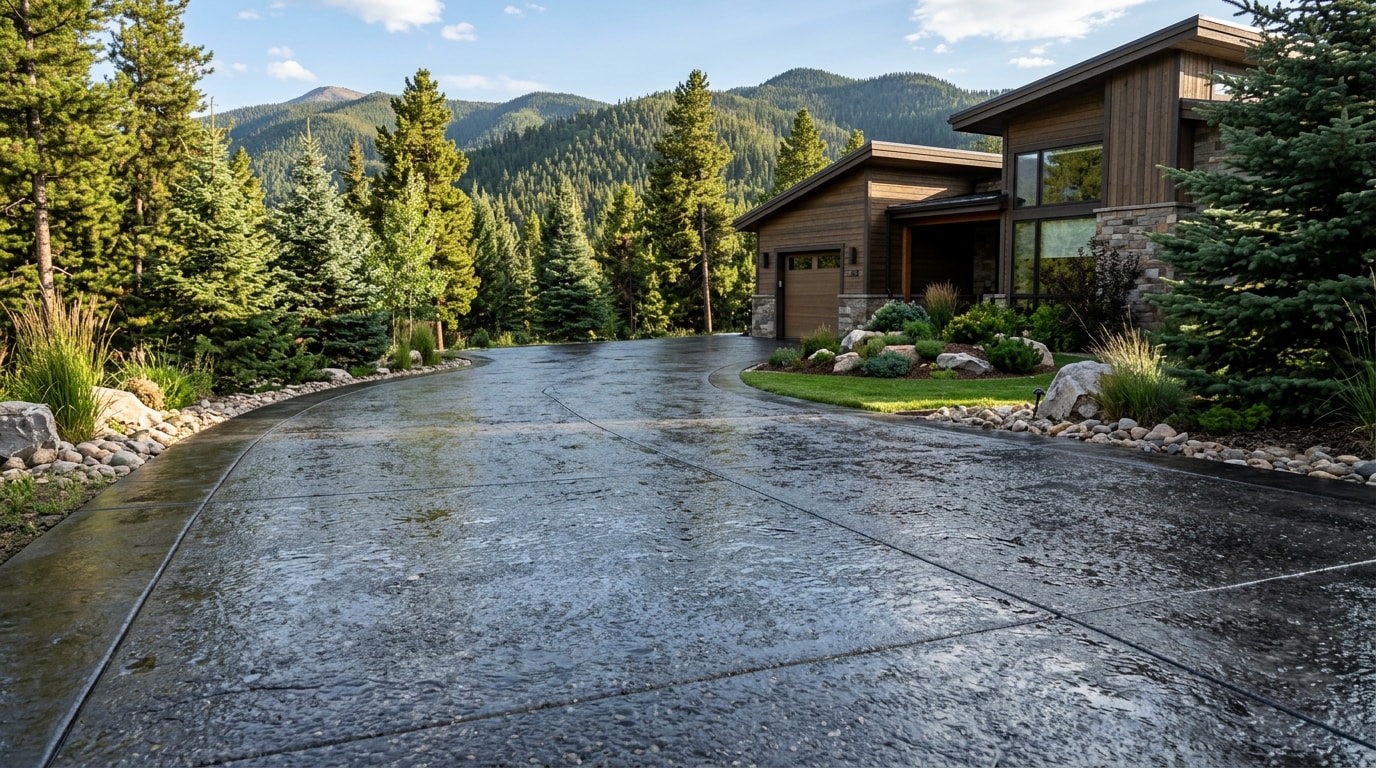
Hybrid sealers blend penetrating and topical properties and are worth asking a contractor about. One caveat: topical finishes can get slippery when wet, so sloped mountain driveways usually need a traction additive mixed in. These products are popular for stamped and decorative concrete where appearance matters as much as protection.
Worth noting: most film-forming and penetrating sealers sold in the U.S. are subject to federal VOC limits. The rule is based on the determination that VOC emissions from architectural coatings have the potential to cause or contribute to ozone levels that violate national air quality standards , which is one more reason to check a product's data sheet rather than just its sheen.
How Often to Seal Concrete in Colorado
Actual timing depends on sun exposure, traffic, and how harsh the winter was, but these ranges hold up across most Front Range and foothills jobs.
| Sealer Type | Typical Lifespan | Best Surface | Reseal Trigger |
|---|---|---|---|
| Penetrating (silane/siloxane) | 3–5 years | Plain driveways, walkways | Water no longer beads on surface |
| Topical/acrylic | 2–3 years | Decorative, stamped, colored concrete | Visible fading or dull sheen |
| Stamped/decorative | 1–2 years | Patios, stamped driveways | Surface looks chalky or worn |
| Commercial/high-traffic | 1–2 years | Garages, driveways with daily use | Visible wear patterns |
| Garage floors | 2–4 years | Interior slabs | Staining or dusting |
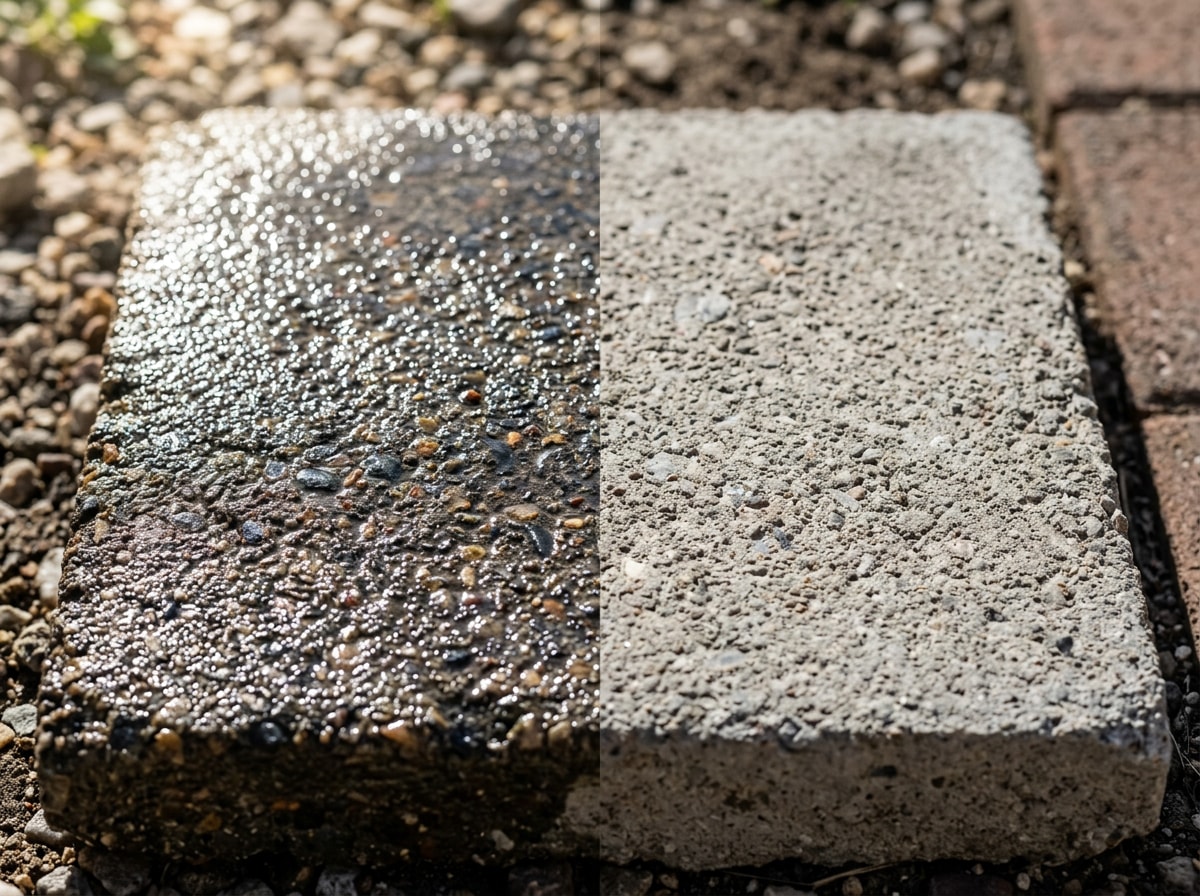
The easiest way to confirm you're due is the water-bead test, checked once each spring. If water soaks in instead of beading, it's time to reseal.
Signs Your Driveway Needs Resealing
Pour a cup of water on the surface.
- Beads up: the sealer is still working
- Soaks in or darkens within seconds: resealing is overdue
Beyond the water test, watch for:
- Fading or a dull, chalky appearance
- Visible surface pores that weren't there before
- White powdery residue (efflorescence)
- Stains that no longer wipe away easily
Ignoring these signs carries more risk in Evergreen than in a milder Front Range city. An unsealed surface heading into a mountain winter is exposed to more freeze-thaw cycles, which accelerates cracking fast. If you're not sure what stage your driveway is in, our Evergreen service area page covers what local homeowners typically run into each season, or you can get a free estimate and have someone look at it in person.
How to Seal a Concrete Driveway, Step by Step
- Pick a dry window. Look for 24–48 hours of dry weather with temperatures between 50–90°F. Rain or sudden cold can ruin an application.
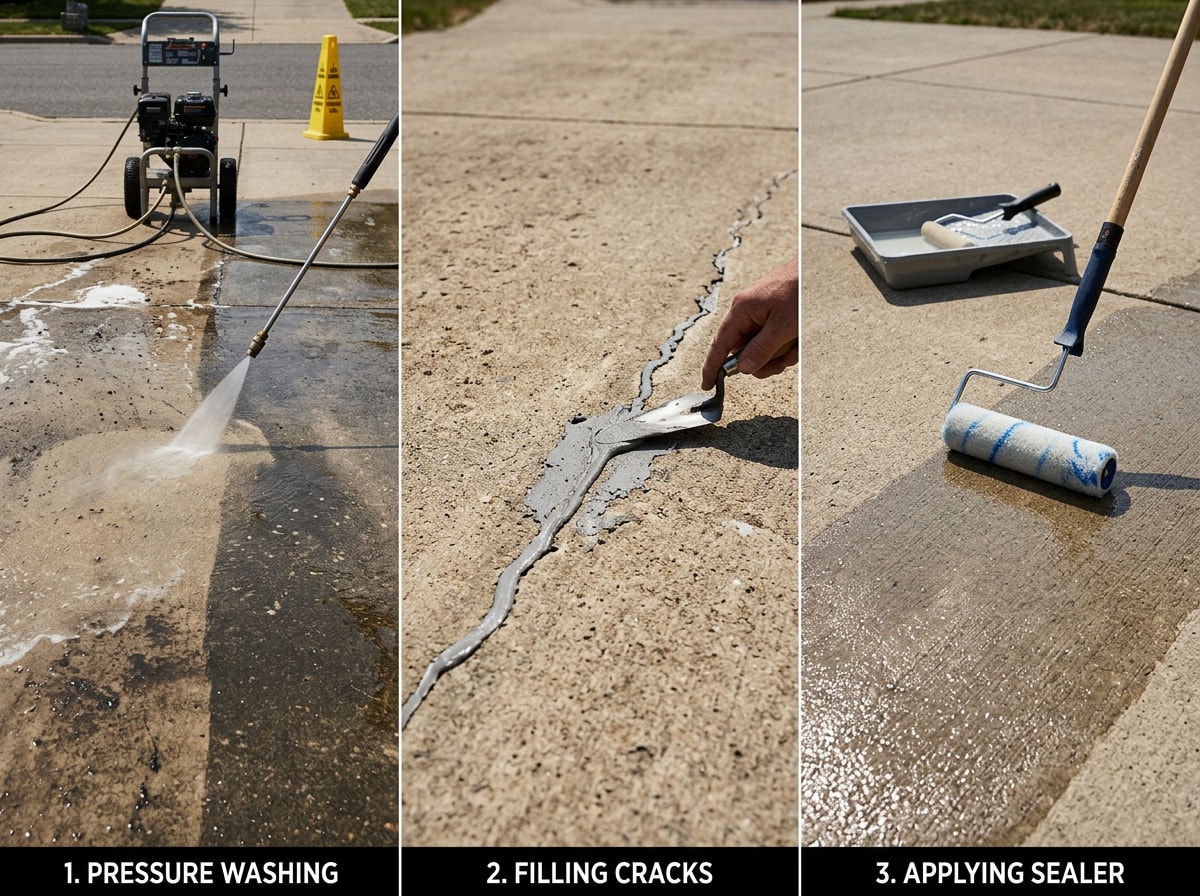
- Clean and degrease the entire surface. Any oil, dirt, or old coating will keep the new sealer from bonding properly.
- Repair cracks or spalled areas first. Let patches cure fully before sealing over them.
- Choose your sealer. For most plain driveways, a penetrating silane/siloxane product is the safer long-term choice.
- Apply in thin, even coats. Two coats applied in opposite directions usually gives the most even coverage.
- Let it cure before traffic. Follow the product label's cure time; rushing this step is one of the most common DIY mistakes.
One more rule: never seal brand-new concrete right away. Fresh slabs need weeks to cure before the first sealer application, which we cover in detail below in the FAQ.
This overview covers the basics, but large driveways, already-scaling surfaces, or steep mountain grades common around Evergreen are often better left to a crew with the right equipment for slope and drainage. Contact us if you'd rather hand it off.
Best Time of Year to Seal
The ideal window runs from late spring through early fall. Late summer through early fall is ideal, with daytime temperatures between 50°F and 80°F allowing sealants to cure properly before freezing conditions set in .
Spring is good for a deep clean and crack check ahead of sealing. Summer serves as a solid backup window. Fall is best reserved for touch-ups before the first hard freeze.
Winter is not workable for sealing in this climate. Evergreen's mountain weather narrows the safe window further than Denver's, since cold nights can arrive earlier in fall and linger later into spring. You can check NOAA's interactive climate normals map by station, zip code, city, or county, including frost and freeze date data before scheduling work, so you don't waste an application on a slab that freezes the same week.
FAQ
How often should I seal my concrete driveway in Colorado?
Penetrating sealers typically last 3–5 years, while topical acrylic sealers need reapplication every 2–3 years. See the comparison table above for a breakdown by surface type.
Is sealing necessary for all concrete driveways?
Sealing isn't strictly required, but it's strongly recommended in freeze-thaw climates like Evergreen's. Skipping it leaves concrete vulnerable to cracking, scaling, and a shortened lifespan.
How do I know if my driveway needs sealing?
Pour water on the surface. If it soaks in instead of beading, your sealer has worn off and it's time to reapply.
How much does it cost to seal a concrete driveway?
For a typical two-car driveway, sealing usually runs a few hundred dollars depending on sealer type and square footage. Acrylic, penetrating, and epoxy products carry different price points, and bundled cleaning or crack repair will raise the total. Explore our hardscape and concrete services for a sense of what's typically included in a quote.
Are sealed driveways slippery?
Only if the sealer lacks a traction additive. If a sealer includes non-slip additives, it's important to stay on top of resealing as it starts to wear out , especially on sloped mountain driveways where topical finishes get slick when wet.
How long should new concrete cure before sealing?
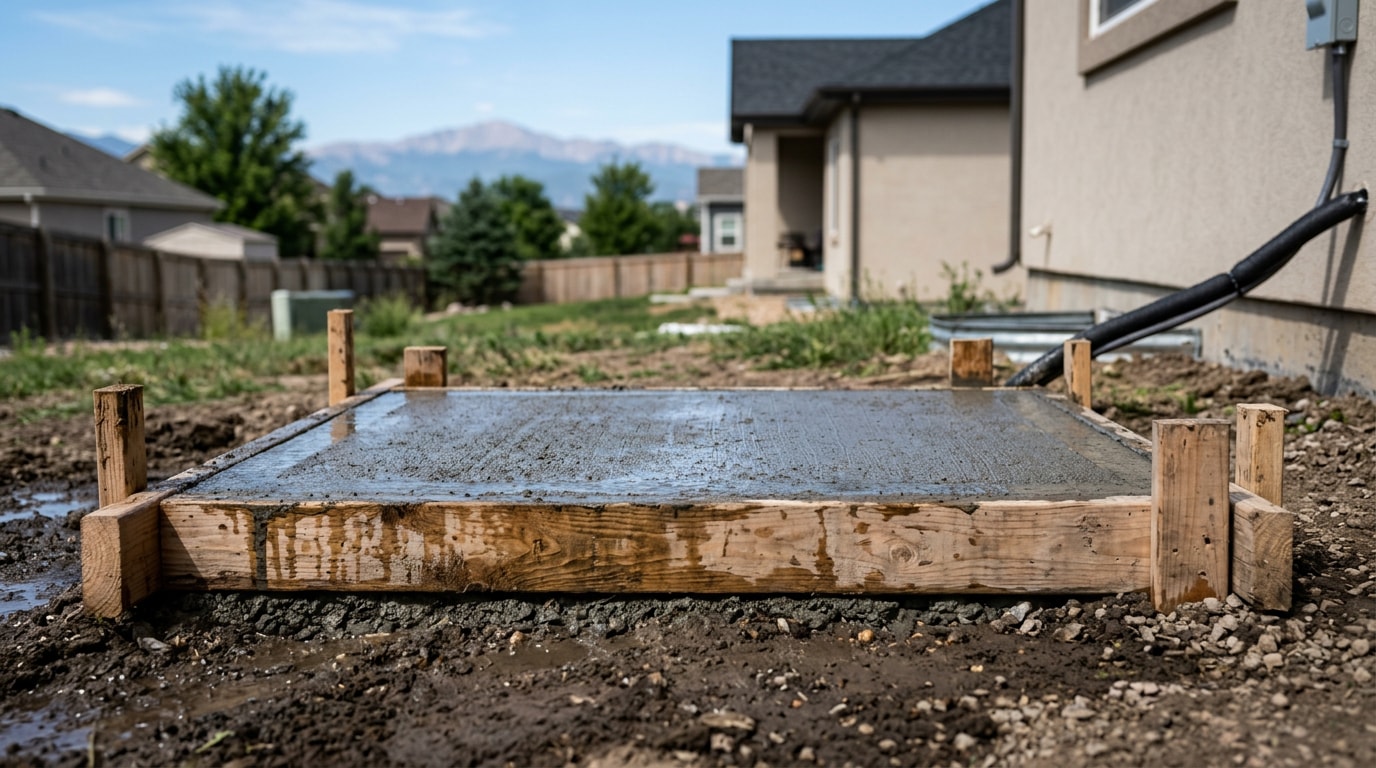
Wait 28 days after the concrete has been poured before sealing it, to make sure it has fully cured and gained the necessary strength . For more on cure timing generally, see our guide on how long concrete should cure before weight.
Ready to get your driveway, patio, or walkway sealed before the next freeze-thaw season? Get a free estimate from our team and we'll tell you exactly what your concrete needs.