Concrete molds North Denver & Boulder County, CO homeowners ask about almost always come up when someone is planning a new patio, driveway, or walkway and wants to know what the finished surface will actually look like. These forms press a textured, repeatable pattern into wet concrete so it reads as brick, flagstone, or cobblestone once it cures. Here's what the mold itself does, what it costs to get that look done right, and why this region's freeze-thaw swings change the maintenance math.
What Are Concrete Molds, Exactly?
A concrete mold is a rigid or flexible form pressed into freshly poured concrete to stamp a pattern into the surface before it cures. The mold holds that shape long enough to set, then lifts away cleanly without disturbing the finish.
You'll run into a few overlapping terms while researching this project:
- Concrete stamps – the texture mats pressed into the slab
- Formwork – the broader category of forms used to shape concrete, structural or decorative
- Plastic, rubber, or silicone molds – the material the stamp itself is made from
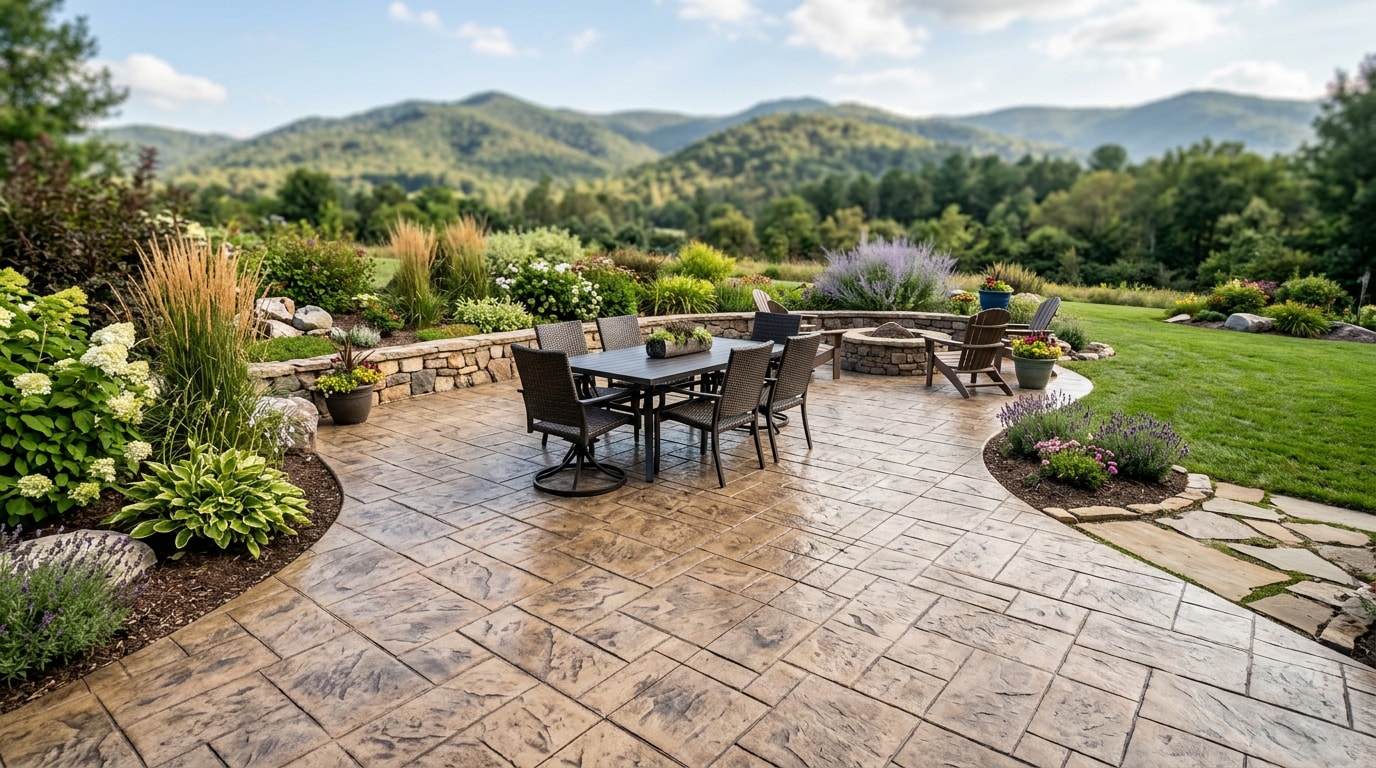
Stamped concrete is the end result: a textured, patterned slab created by pressing these molds into the concrete while it's still workable. It has become one of the most common ways to add decorative detail to patios and driveways along the Front Range.
On projects we've handled from Longmont down through Westminster, the pattern choice matters less than the base prep underneath it. A crisp ashlar slate stamp on a poorly compacted base still cracks the same way plain concrete does.
Types of Concrete Molds and Materials
Not every mold is built the same way, and the material affects both cost and finish quality.
| Mold Type | Material | Best For | Durability |
|---|---|---|---|
| Architectural molds | Fiberglass or metal | Wall panels, columns, relief designs | High, built for repeated commercial use |
| Rubber stamp mats | Flexible rubber or polyurethane | Realistic stone and slate texture on patios/driveways | Good for curved or uneven pours |
| Plastic molds | Lightweight plastic | DIY stepping stones, garden borders | Lower, suited to small-scale work |
Formwork and testing specifications for concrete products are maintained by ASTM International, which publishes the technical standards contractors and testing labs use to verify mold materials and mix performance.
Why Homeowners Choose Molded and Stamped Concrete
The appeal goes beyond looks, though looks matter. A well-designed stamped patio or driveway reads as a finished, intentional part of the home rather than an afterthought slab, and that shows up in resale conversations.
It's also genuinely cost-effective compared to pavers or natural stone. You get a similar visual result, brick, slate, or cobblestone texture, without paying for individually cut and installed stone units. That gap in price between stamped concrete and real stone is one of the clearest reasons the format has stayed popular across Boulder County's higher-end residential market.
The Concrete Molding and Stamping Process
Here's what actually happens between your first call to a contractor and a finished, usable slab.
1. Plan your design. Before anyone mixes concrete, you'll browse stamp patterns and pick a style that fits your home's architecture. A materials sample board narrows the choices faster than describing a look verbally.
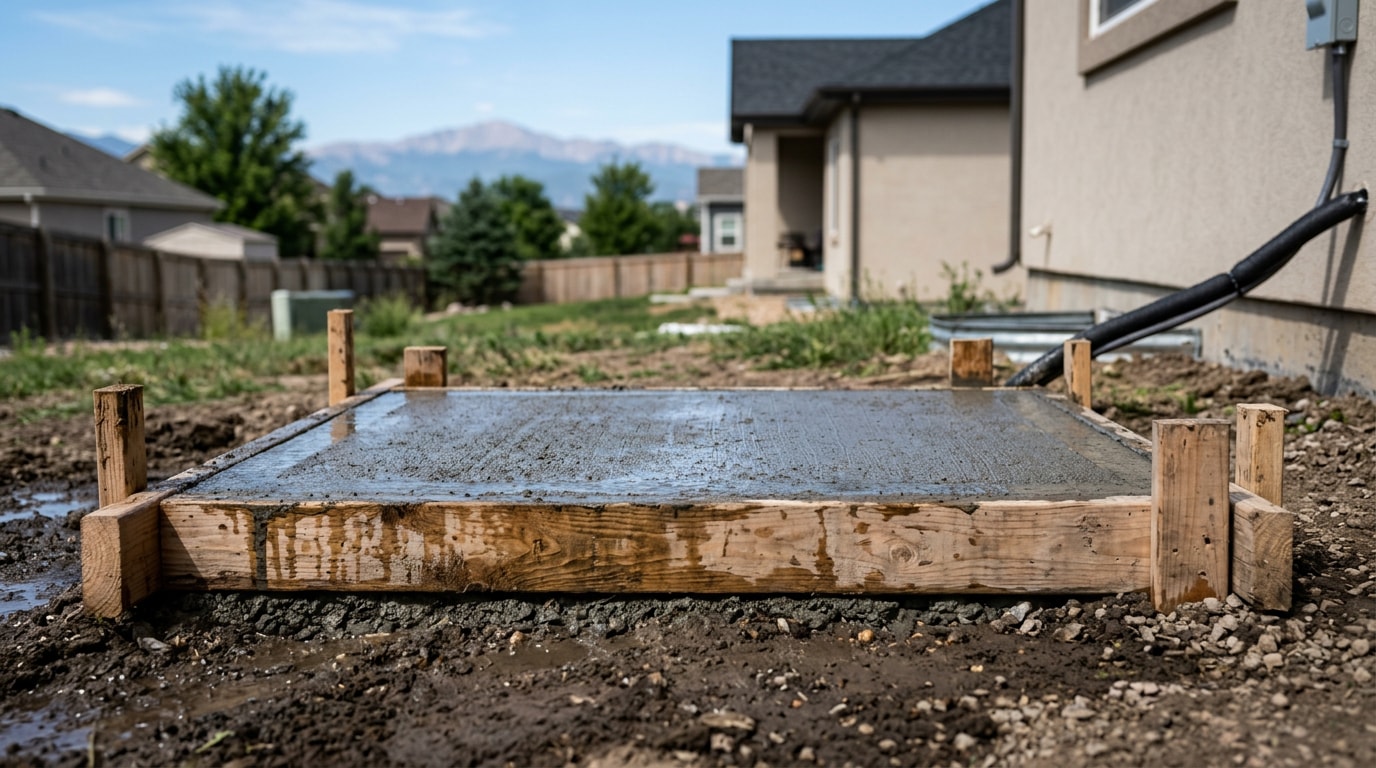
2. Choose new pour vs. overlay. A brand-new slab is one option; stamping a textured layer over existing concrete is another. For a fresh pour, your contractor orders ready-mix concrete with the slump, PSI, and aggregate recommendations suited to stamping. If you're not sure how much material the job needs, our concrete volume guide for Evergreen, CO walks through the same math that applies anywhere along the Front Range.
3. Pour, color, and stamp. The crew pours the slab and applies the chosen stamping system along with any integral or antiquing colorants while the concrete is still workable.
4. Install with experienced hands. Once the concrete reaches the right workability, the crew presses in durable polyurethane stamp mats, using a release agent so the mats lift away cleanly. Timing is tight here. A rushed or late stamp leaves a weak, shallow pattern. DIY stamping is possible for small, low-visibility areas, but a full driveway or patio has a narrow margin for error.
5. Cure and enjoy. After the slab cures, it's ready for furniture, a fire pit, or a connecting walkway.
For placement and curing practices on decorative flatwork, the American Concrete Institute maintains technical guidance that most professional crews reference during training.
Design Options for Stamped Concrete
Pattern, color, and texture are the three variables that define the final look.
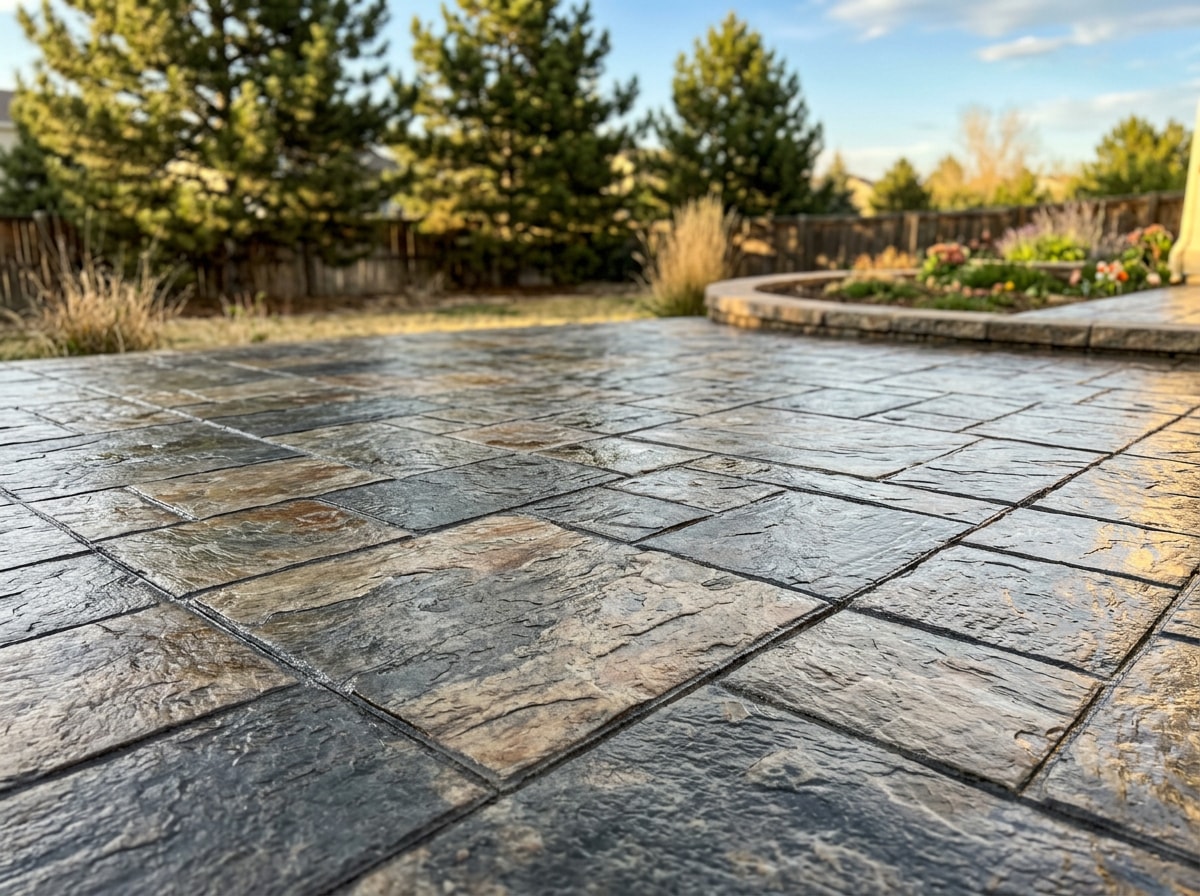
- Ashlar slate – irregular, layered stone look, suits patios and walkways
- Flagstone – large, organic shapes, pairs well with warm earth-tone coloring
- Cobblestone – tight, uniform pattern, reads well on driveways and entries
A flagstone pattern in warm tones looks very different from a tight cobblestone layout in cool gray. Both are popular in North Denver and Boulder County, but they suit different architectural styles.
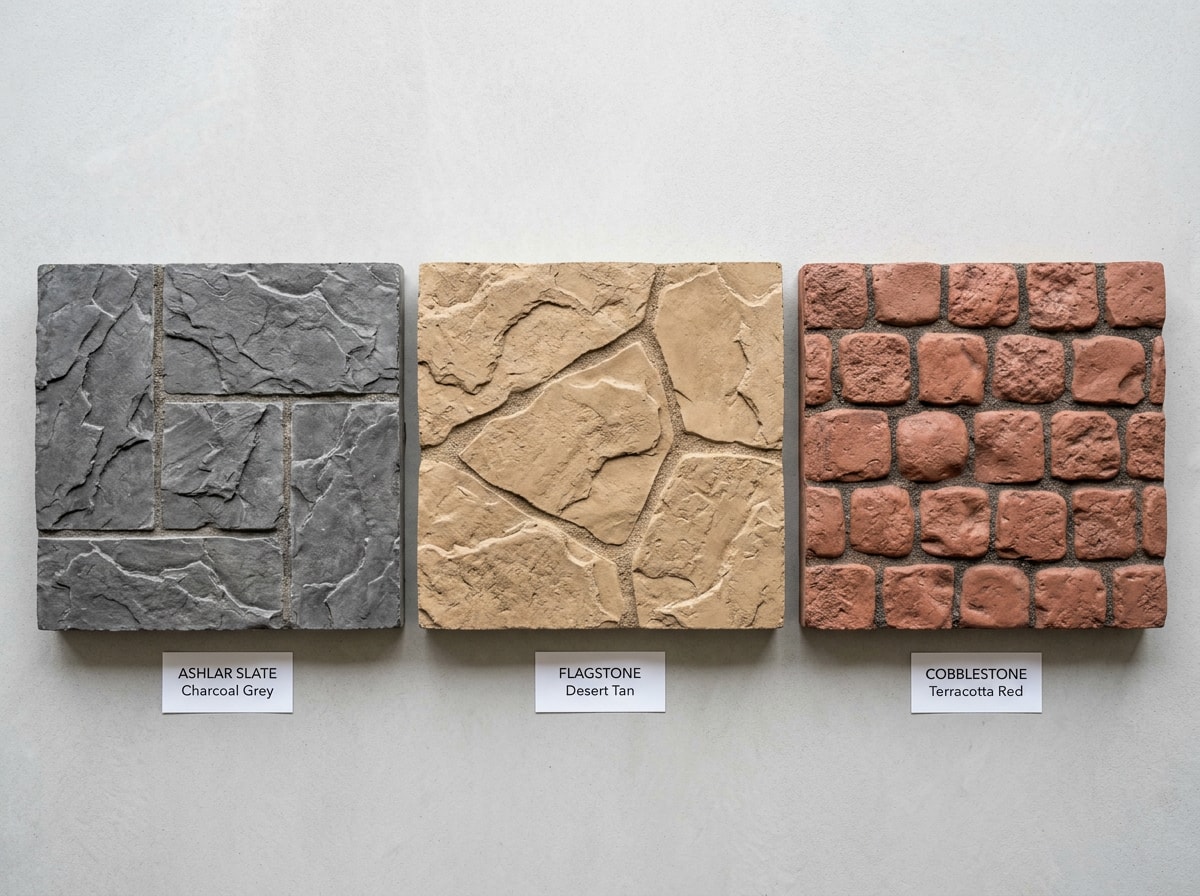
Browsing a full pattern and color catalog with our stamped concrete installation team before your consultation makes the design conversation faster.
Maintenance Tips for Stamped Concrete in This Climate
Generic national advice says reseal stamped concrete every two to three years, but that number shifts along the Front Range. Colorado's daily temperature swings push concrete through more freeze-thaw transitions each winter than milder, more stable climates see. Colorado State University's climate office tracks how early and unevenly these first freezes arrive across the state, and there are huge variations across the state in terms of when the first freeze tends to occur , which is exactly why a one-size-fits-all resealing calendar doesn't hold up here. On south-facing slabs that see more direct sun and faster thaw cycles, we generally recommend checking the sealer closer to the two-year mark rather than waiting the full three.
Beyond sealing, routine maintenance is simple:
- Sweep debris regularly
- Wash with mild soap and water
- Clean spills before they stain
- Avoid parking heavy equipment on the surface
- Use sand instead of de-icing salts where possible, since chlorides are harder on sealed, textured surfaces than on plain broom-finished concrete
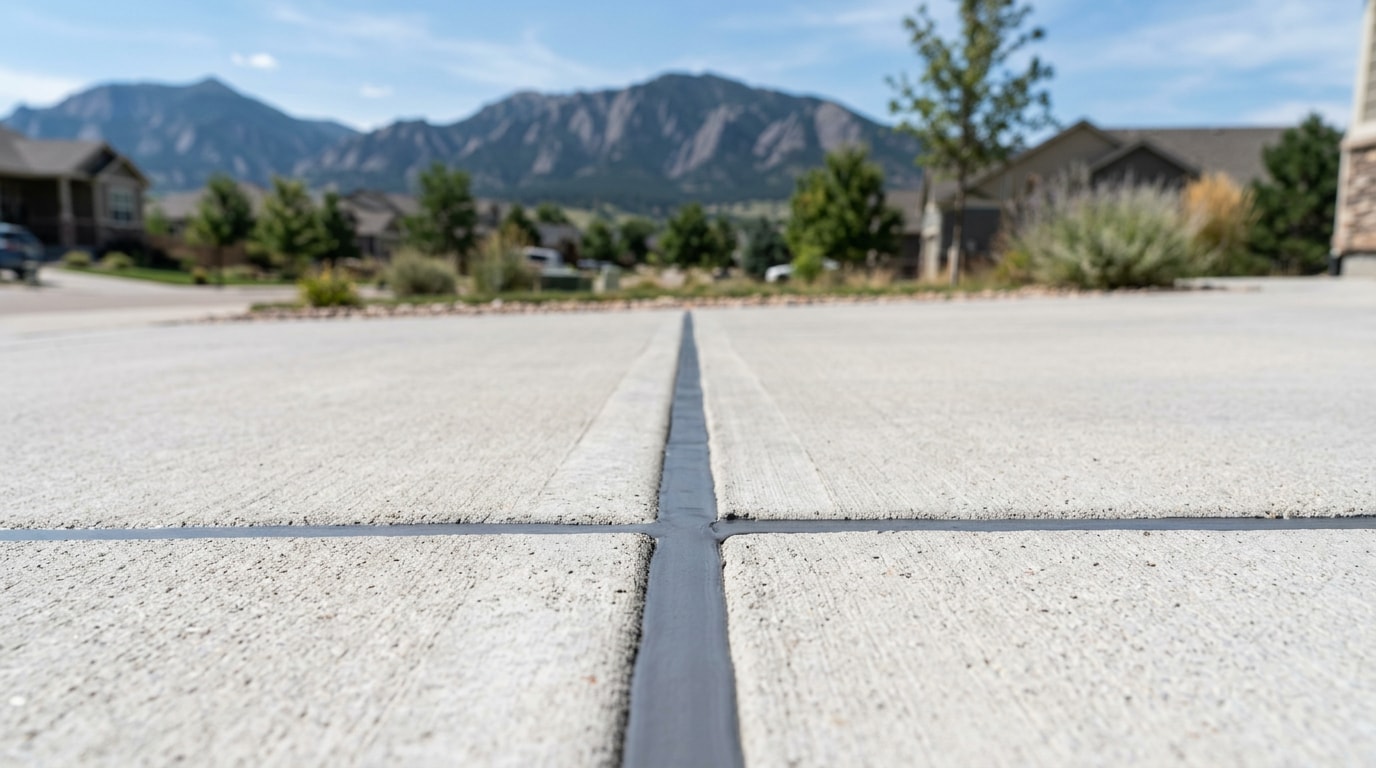
Expansive clay soil common across parts of Boulder County can also contribute to minor surface movement over time. It's worth having a contractor check joints periodically rather than waiting for visible cracking.
Is Stamped Concrete Right for You?
It depends on what you're optimizing for. Stamped concrete offers a strong balance of cost, durability, and visual upgrade compared to plain concrete or full natural stone. It mimics premium materials at a lower price point while holding up well to Colorado's climate swings when properly sealed. If low maintenance and a custom look matter more than having literal stone underfoot, it's usually worth the investment.
For a clearer answer specific to your property, our North Denver & Boulder County team can walk the site and give you a realistic scope and cost. You can also browse completed projects to see pattern and color combinations installed nearby, or start at the Peppers Land Design homepage to see the full range of hardscape and concrete services we offer.
Ready to move forward? Get a free estimate and we'll walk your site, talk through pattern options, and give you a number based on your actual yard, not a generic per-square-foot guess.
FAQ
What are concrete molds used for?
Concrete molds are most often used for patios, driveways, walkways, and decorative edging, giving these surfaces a textured, stone-like finish without the cost of real stone.
How much does stamped concrete cost in North Denver and Boulder County?
Pricing runs higher than plain concrete but lower than natural stone, with the final price per square foot driven by pattern complexity, color choices, and how much site prep the area needs. Request a free estimate for an accurate number on your project.
Is stamped concrete slippery?
Slip resistance depends mostly on the sealer type and texture depth, not the stamping itself. A properly finished surface with a slip-resistant additive performs similarly to textured pavers in wet or icy conditions.
How long does stamped concrete last?
Well-installed stamped concrete typically lasts decades, though actual lifespan depends heavily on consistent sealing and the maintenance habits covered above.
Does stamped concrete hold up to Colorado's freeze-thaw winters?
Yes, when it's poured with an air-entrained mix, proper base compaction, and control joints, then sealed on a schedule suited to the slab's sun exposure. Skipping the sealing step is what causes most freeze-thaw damage, not the stamping itself.
Can I install concrete molds myself?
Small, low-visibility areas like a stepping-stone path are reasonable DIY projects. A full driveway or patio has a narrow timing window between pouring and stamping, and professional installation avoids a shallow or uneven pattern that can't be fixed after the slab cures.