Concrete stain colors in East Metro & Castle Rock, CO have to survive over 300 days of high-altitude sun, hail, and winter de-icing salt, not just look good in a showroom sample. This guide covers the acid stain and water-based stain colors our crews install most often on local driveways, patios, and floors, plus how each one actually holds up once it's sealed and living outside.
The Short Answer: What Color Should You Pick?
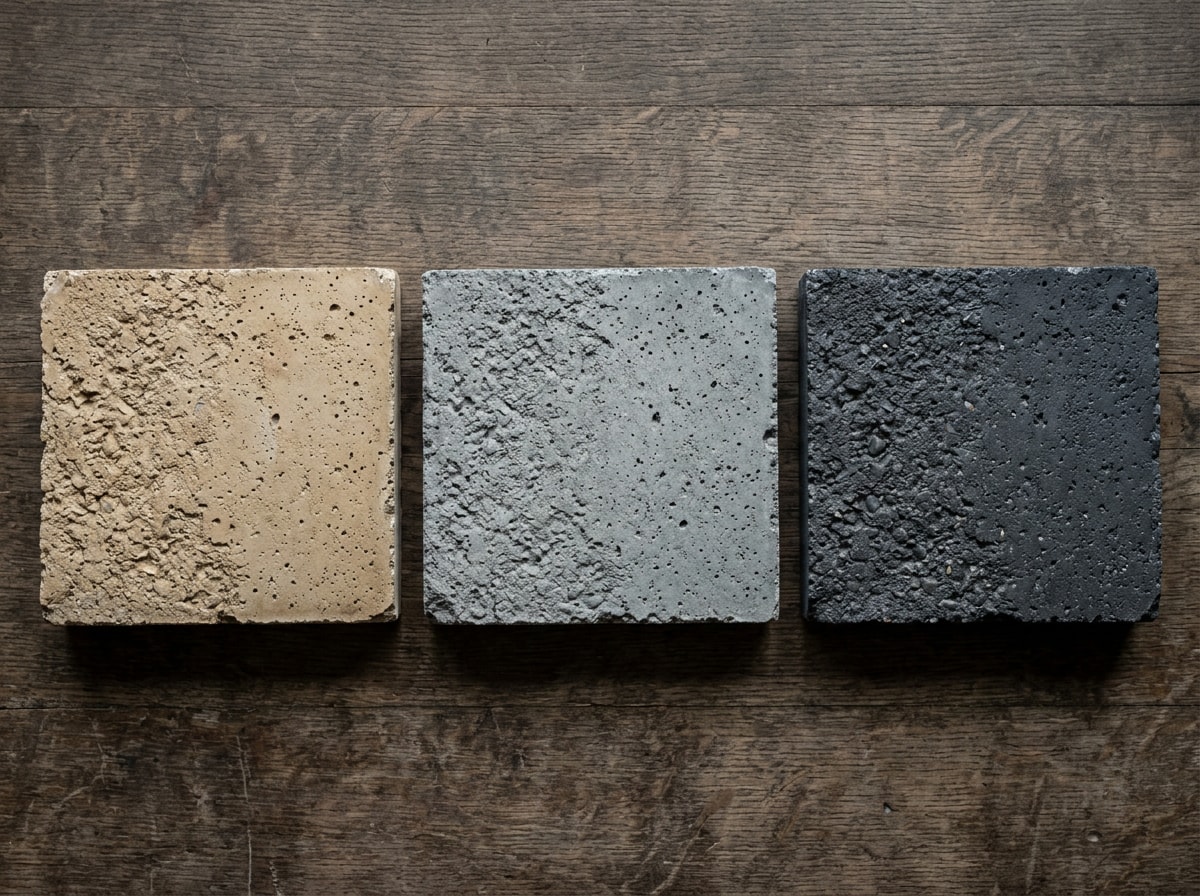
Brown and earth-tone stains remain the most requested colors across both driveways and patios in Douglas and Arapahoe County neighborhoods, mainly because they hide everyday wear while complementing most home exteriors. Gray and charcoal are close behind for newer builds with modern siding.
If you only remember three things before choosing:
- Earth tones (walnut, cola, tan) hide dirt and tire marks best and suit traditional brick or stucco homes.
- Charcoal looks sharp on modern builds but absorbs more heat and fades faster at altitude.
- Medium gray is the safest, lowest-maintenance neutral if you're not sure.
What Makes a Good Driveway Stain Color for East Metro & Castle Rock, CO Homes?
The right driveway stain color balances four things: sun exposure, moisture, everyday grime, and how the finished tone reads against your home's exterior.
Castle Rock sits at roughly 6,224 feet elevation. The EPA's own UV Index model notes that UV intensity increases about 6% per kilometer elevation above sea level , which works out to roughly 11% stronger UV exposure here than at sea level. That matters directly for stain color choice, since darker pigments absorb more of that extra UV and heat.
Before narrowing down shades, weigh these real-world factors:
- Sun exposure — darker finishes absorb more heat and show UV fading sooner at Castle Rock's elevation
- Rain and snowmelt — mottled, lighter tones hide water spotting better than a solid dark field
- Dirt and dust — medium and earthy tones mask everyday grime longer than light gray
- Vehicle traffic and tire marks — darker stains camouflage rubber marks; pale colors show them quickly
- Oil and fluid stains — sealing helps regardless of color, but lighter shades reveal spots fastest
- Home style — traditional brick and stucco homes often lean warm; modern East Metro builds lean gray or charcoal
| Stain Color | Heat Absorption / UV Fading Risk | Dirt-Hiding | Resale Appeal |
|---|---|---|---|
| Light Earth Tone | Low–Moderate | High | Broad |
| Medium Gray | Moderate | Moderate | Broad |
| Charcoal | High | High (masks tire marks) | Strong with modern homes |
Homeowners weighing these trade-offs for an upcoming project can review our concrete installation services for a closer look at finish options.
Acid Stain vs. Water-Based Stain: Which Is Best for Your Project?
The stain type you choose determines which colors are even possible. Acid stains react chemically with the concrete itself, while water-based stains sit more like a pigmented coating with a wider color range.
Acid Stains
Acid stain chemically bonds with lime in cured concrete, producing a permanent, mottled finish that won't chip or peel. The reaction creates earthy tones, tans, browns, terra cottas, and soft blue-greens, with natural variation no two slabs replicate exactly.
Because the color comes from a chemical reaction rather than a surface coating, the result is somewhat unpredictable until it fully cures. The American Concrete Institute's joint ACI/ASCC committee guide confirms this: their Decorative Concrete guide covers reactive stains and post-placement coloring techniques in detail, including how the chemical bond differs from a surface-applied dye.
Water-Based Stains
Water-based stain offers a much broader color palette, including blacks, whites, and metallic tints that acid stain simply can't produce. Because it's applied more like a translucent dye rather than relying on a chemical reaction, the resulting tone is far more consistent and predictable from slab to slab.
This makes water-based stain a practical pick when a homeowner needs to match a specific shade across multiple pour sections or wants a more uniform, modern look. Acid stain still wins on one-of-a-kind depth, but water-based stain wins on dependable, repeatable color.
Popular Earth Tone & Brown Stain Colors
Earth tones and browns are consistently the most requested category among East Metro and Castle Rock homeowners, showing up on driveways, patios, and interior floors alike.
Walnut Brown – Classic Earth Tone with Warm Depth
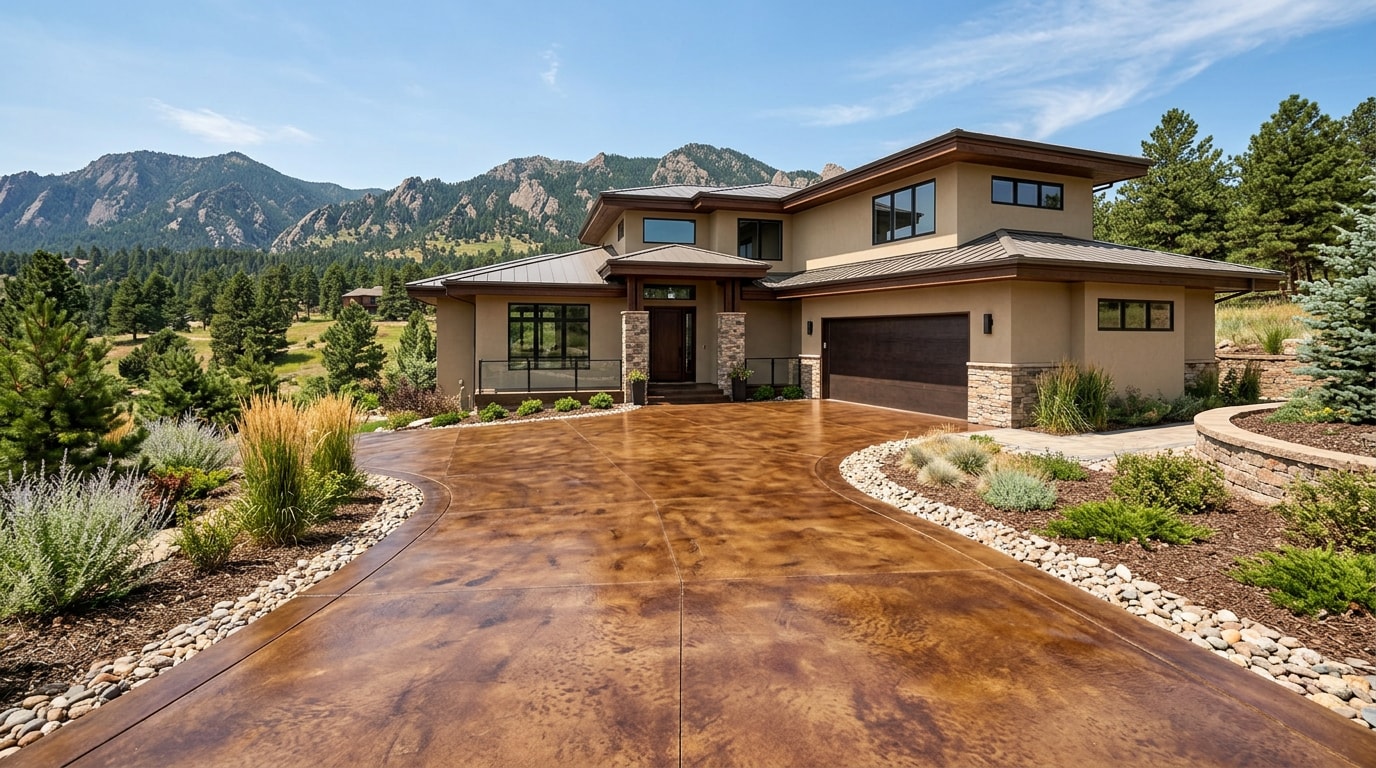
Walnut brown stain delivers a warm, variegated range that shifts from caramel to deep espresso across a single slab. It's a favorite acid stain color for patios and interior floors because the natural variation mimics hardwood or natural stone without the maintenance either material requires.
This earth tone pairs especially well with exposed wood beams, stacked-stone accents, and warm-toned brick. In our own installs across Parker, Aurora, and Castle Rock driveways, walnut brown has typically needed resealing by year four on south-facing exposures, a season or two sooner than the same stain holds up on a shaded interior floor.
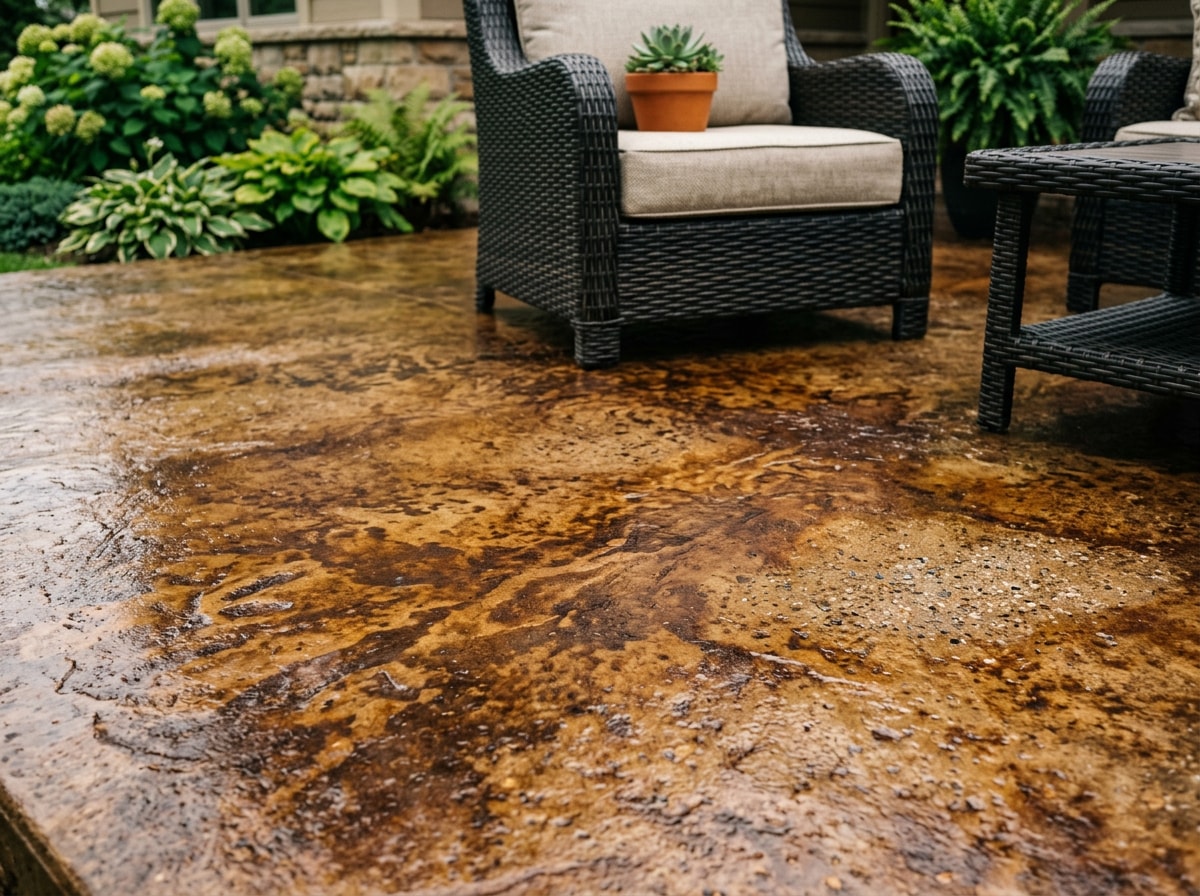
Cola Brown – Mid-Range Depth with Reddish-Copper Variation
Cola brown acid stain sits a shade darker and warmer than classic walnut, carrying a distinct reddish-copper finish that catches the light differently throughout the day. It reads richer than plain gray without going as dark or formal as charcoal.
This driveway stain color works well on entry walkways and driveways where homeowners want more personality than a standard gray slab but still want the finish to feel timeless rather than trendy.
Charcoal Gray
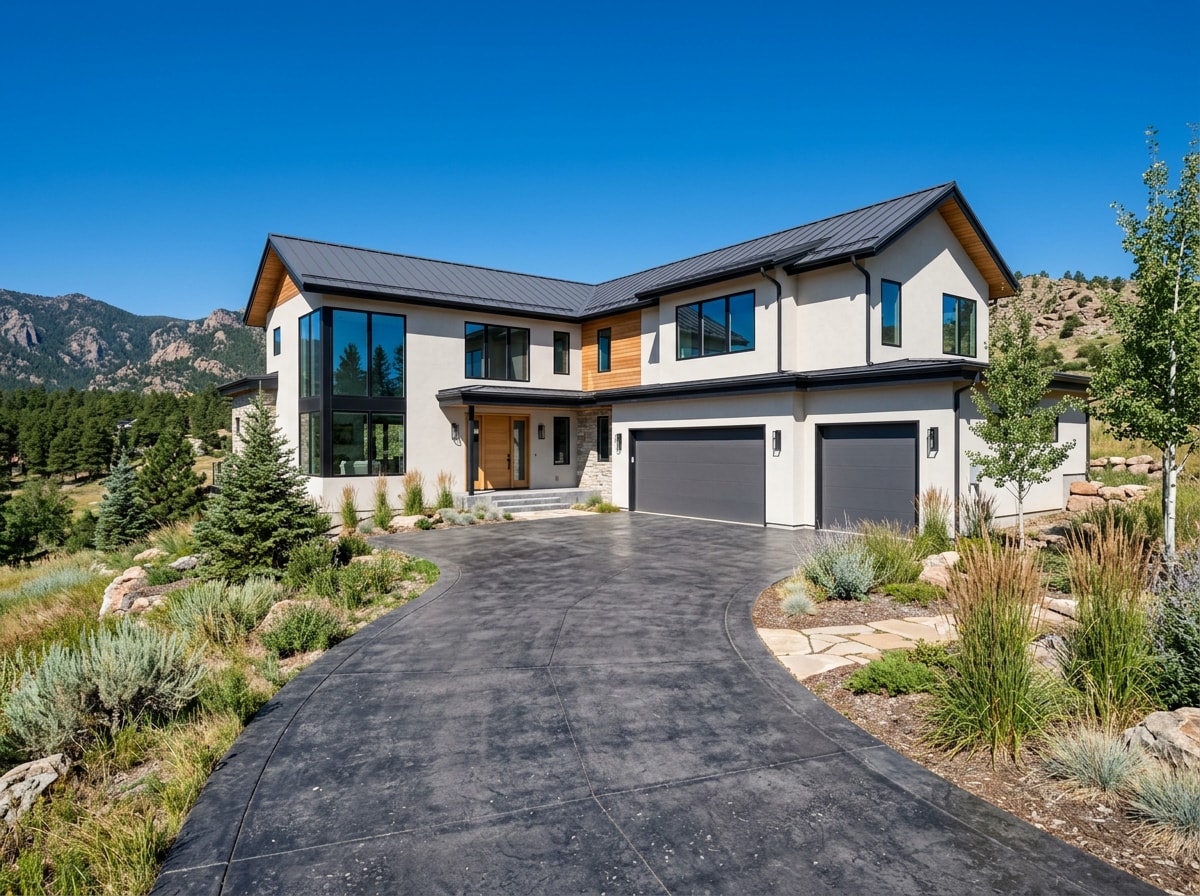
Charcoal gray concrete stain has become a go-to modern driveway color for new construction and remodels alike. The deep, near-black tone creates sharp contrast against light stucco or siding and pairs naturally with black window trim and garage doors.
Because it's a dark stain, charcoal also does double duty hiding tire marks, oil residue, and everyday road grime better than lighter finishes. It tends to suit modern, industrial, and contemporary new-build homes more than traditional brick colonials, where a lighter earth tone usually reads more cohesive.
One trade-off worth considering at Castle Rock's elevation: darker surfaces absorb more solar heat. The U.S. Department of Energy's cool-surfaces research notes that most dark roofs absorb 90% or more of the incoming solar energy, while light-colored materials absorb less than 50% , the same basic physics that applies to a dark driveway baking under intense Front Range sun.
Medium Gray
Medium gray concrete stain remains the safe, versatile choice for homeowners who want a neutral driveway color that won't compete with landscaping or exterior paint. It reads clean on traditional homes and doesn't show dust and pollen buildup quite as visibly as charcoal.
Compared with charcoal gray above, medium gray is the lower-maintenance, lower-contrast option. Pick charcoal for a bolder modern statement, and medium gray when you want a versatile stain color that blends in rather than stands out.
Top Stain Colors for Concrete Floors
Interior floors open up color options that exterior surfaces can't use, since UV fading simply isn't a factor indoors. Espresso brown and slate gray remain the top sellers for basements and living spaces, offering a grounded, low-maintenance look that hides everyday wear.
Terracotta and amber tones suit sunrooms and spaces aiming for a warmer, Southwestern feel, while aqua blue has become a popular pick for workshops and hobby spaces wanting a less conventional finish. Stained concrete floors in any of these shades resist the fading and wear that carpet or hardwood eventually show in basements and high-traffic rooms.
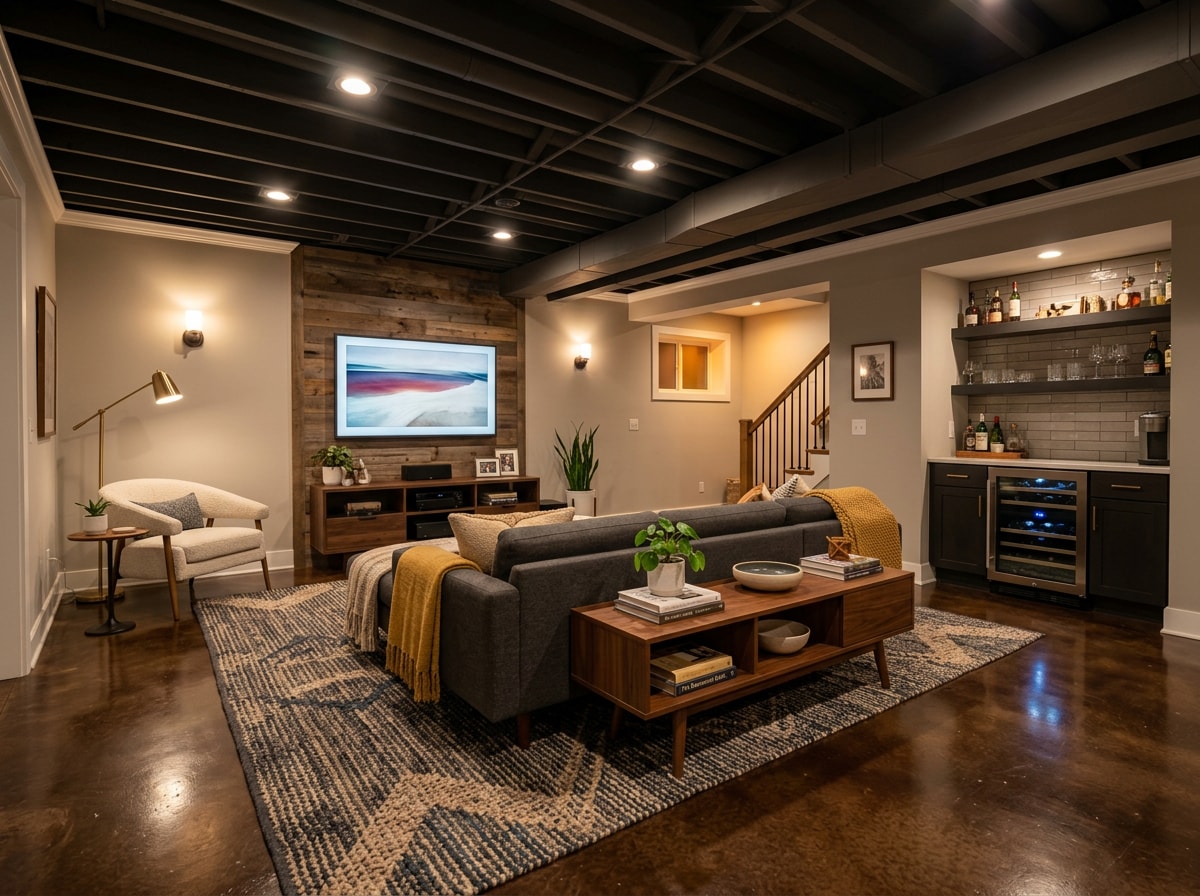
Homeowners considering an interior upgrade can explore our concrete installation services for room-specific recommendations, or browse our recent projects for real finished examples.
Popular Stain Colors for Concrete Patios
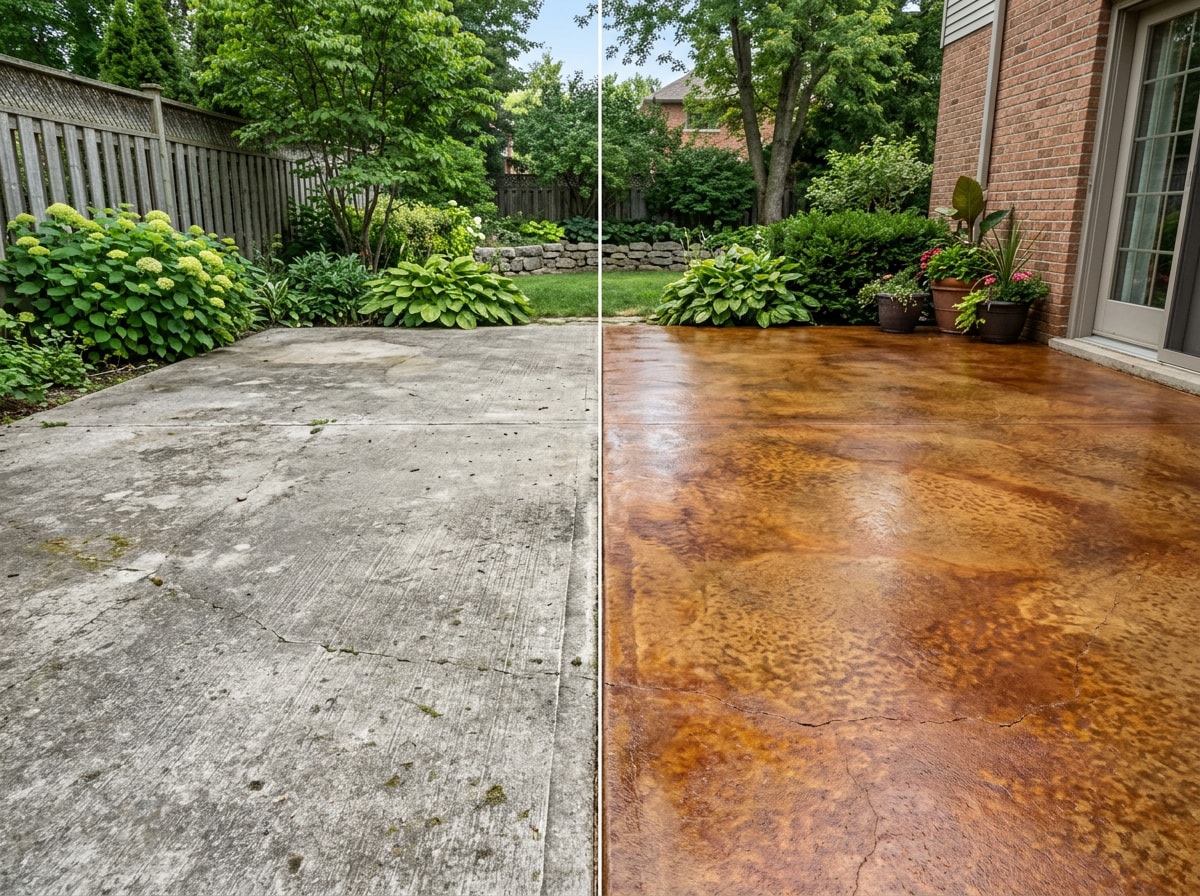
Patio stain colors tend to favor lighter, sandy browns and soft grays that complement landscaping rather than compete with it. Shades in the sierra and driftwood family, warm, muted, and slightly mottled, have become reliable picks because they read natural next to grass, mulch, and stone.
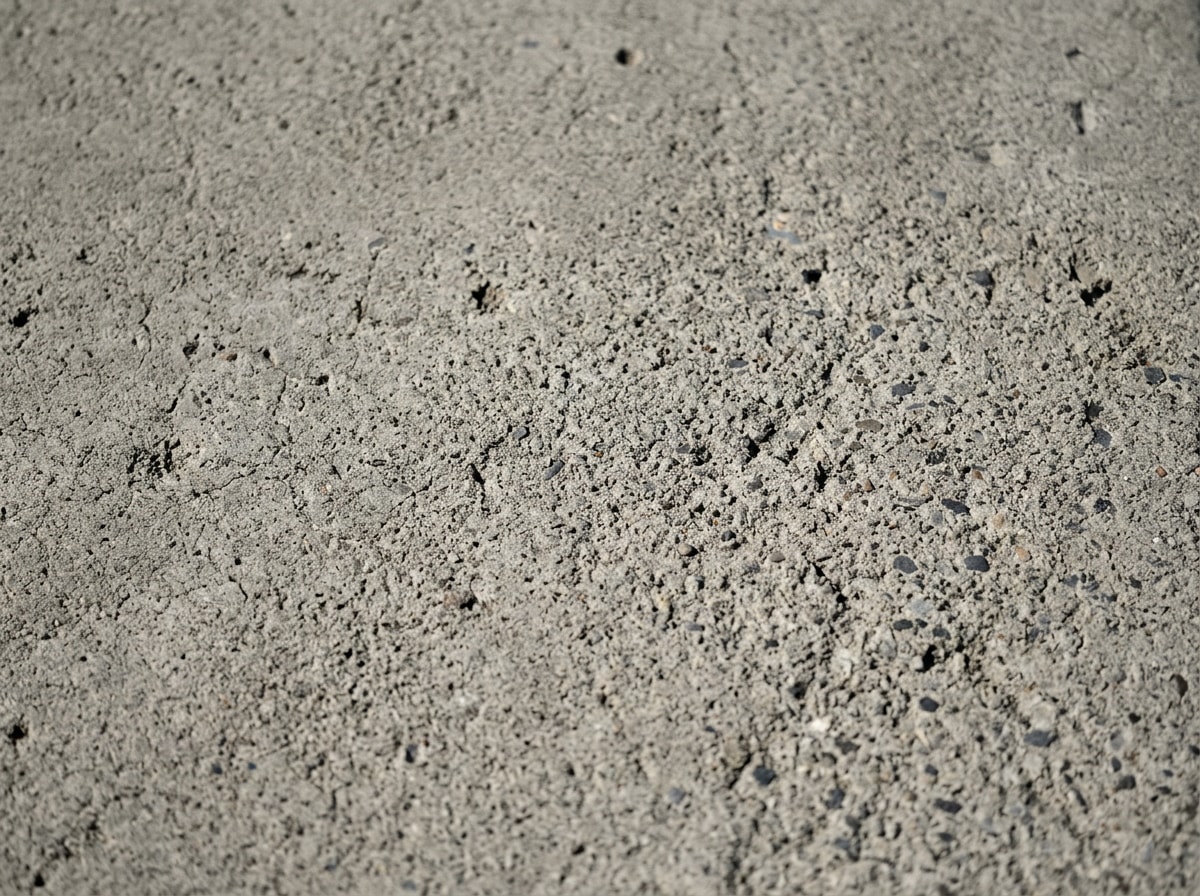
Many of these projects start as plain, aging gray slabs transformed through staining rather than full replacement, which keeps costs down while dramatically changing how the outdoor space feels. A faded, utilitarian patio can look like an entirely different backyard feature once a well-chosen earth tone or gray stain is applied and sealed. For a closer look at how staining affects long-term cost and durability, our Golden & Mountain Communities concrete guide breaks down similar trade-offs for Front Range homeowners.
For homeowners planning a backyard refresh, our stamped concrete services cover design options beyond color alone.
How to Stain Your Concrete Patio
Choosing a color is only half the project. Proper application protects that choice for years rather than months.
Apply the Concrete Stain
Surface prep matters more than most homeowners expect. Translucent stains won't hide existing oil spots, old sealant residue, or surface stains, so the concrete needs thorough cleaning and sometimes light mechanical prep before any color goes down. Skipping this step is the most common reason a stain job looks patchy instead of intentional.
Homeowners ready to move forward can get a free estimate to get a surface assessment before staining begins.
Add a Protective Coat of Sealer
Sealer locks in the stain color and shields it from UV exposure, foot traffic, and Colorado's freeze-thaw cycles. Without it, even a well-applied stain will dull and wear unevenly within a season or two of exposure. Resealing every few years keeps the original color looking close to day one.
About This Guide
This guide was written by the installation team at Peppers Land Design, a hardscape and landscape contractor serving the East Metro and Castle Rock area. Our crews install and reseal stained concrete driveways, patios, and floors across Douglas and Arapahoe County every season, and the color performance notes above reflect what we've actually seen on local jobsites, not just manufacturer color charts. If you want a second opinion on a color sample or a sealer schedule for an existing slab, contact us for a free on-site consultation.
FAQ
Here are the questions East Metro and Castle Rock homeowners ask most often before choosing a concrete stain color.
Does Stained Concrete Fade?
Properly applied and sealed concrete stain resists fading, chipping, and peeling for years, though direct sun and high-altitude UV exposure can gradually dull color over time. Regular resealing every few years restores vibrancy and protects against further fading.
How Long Does Concrete Stain Last?
Properly sealed acid stain can last many years indoors with minimal change, while exterior surfaces exposed to Colorado sun and snowmelt typically need resealing every three to five years. Lifespan depends heavily on traffic, climate exposure, and sealer maintenance.
What's the Difference Between Concrete Stain and Concrete Dye?
Stain (acid or water-based) penetrates and reacts with or soaks into the surface for a semi-permanent to permanent color. Dye uses finer pigment particles that saturate the slab, often used on polished concrete for more vivid, consistent color with less mottling than acid stain.
Can You Stain Old or Existing Concrete?
Yes, in most cases. Existing concrete can be stained as long as it's structurally sound and free of old sealant, paint, or heavy efflorescence that would block the stain from penetrating. A contractor should assess the slab first, since porosity and age affect how evenly the color takes.
How Do I Choose the Right Stain Color?
Start with the decision factors covered above: home style, sun exposure, and how much a color needs to hide dirt or tire marks. Since the choice is largely permanent, it helps to view physical samples outdoors before committing to a shade.
What Is the Most Popular Concrete Stain Color?
Brown and earth-tone families remain the most requested concrete stain colors across both driveways and patios, largely because they hide everyday wear while complementing most home exteriors. Homeowners in our East Metro & Castle Rock service area most often start with a warm earth tone before considering gray or charcoal alternatives.