Sand mix concrete in Downtown Denver & Cherry Creek, CO is the material most property owners reach for when a step, stoop, or patio edge needs a smooth structural patch instead of a full tear-out. Picking the wrong product turns a one-afternoon repair into a redo. Here's how our concrete crews decide between sand mix, standard mix, and ready-mix delivery on jobs from LoDo lofts to Cherry Creek North patios.
Sand Mix vs. Standard Concrete vs. Ready-Mix Delivery
Sand mix, bagged concrete mix, and truck-delivered ready-mix all solve different problems. Mixing them up is the single most common mistake we see on DIY repairs.
| Product | Composition | Max Thickness | Best Use Case |
|---|---|---|---|
| Sand Mix | Cement + sand, no coarse aggregate | ~2 inches | Patching steps, leveling, cosmetic resurfacing |
| Standard Concrete Mix | Cement + sand + gravel | 4+ inches | Footings, fence posts, small slabs |
| Ready-Mix Delivery | Engineered batch, cement + aggregate + admixtures | Any depth | Patios, driveways, large pours |
Sand mix skips coarse aggregate entirely, which is exactly why it bonds thin over existing concrete but isn't rated for load-bearing work. Standard mix and ready-mix both carry coarse aggregate, giving them the compressive strength needed for anything that has to carry weight or span more than a couple inches.
Grading and quality requirements for the aggregate inside these mixes aren't arbitrary. A specification defines the requirements for grading and quality of fine and coarse aggregate for use in concrete, where fine aggregate consists of natural sand, manufactured sand, or a combination, and must be free of injurious organic impurities. That's the reference most Colorado suppliers batch against, and you can review the ASTM C33 concrete aggregate standard directly if you want the full technical detail.
Picking the Right Sand Grade Actually Matters
The sand inside your mix matters almost as much as the mix type itself. Using the wrong grade weakens whatever you're building, whether that's a patch, a slab, or a paver bed.
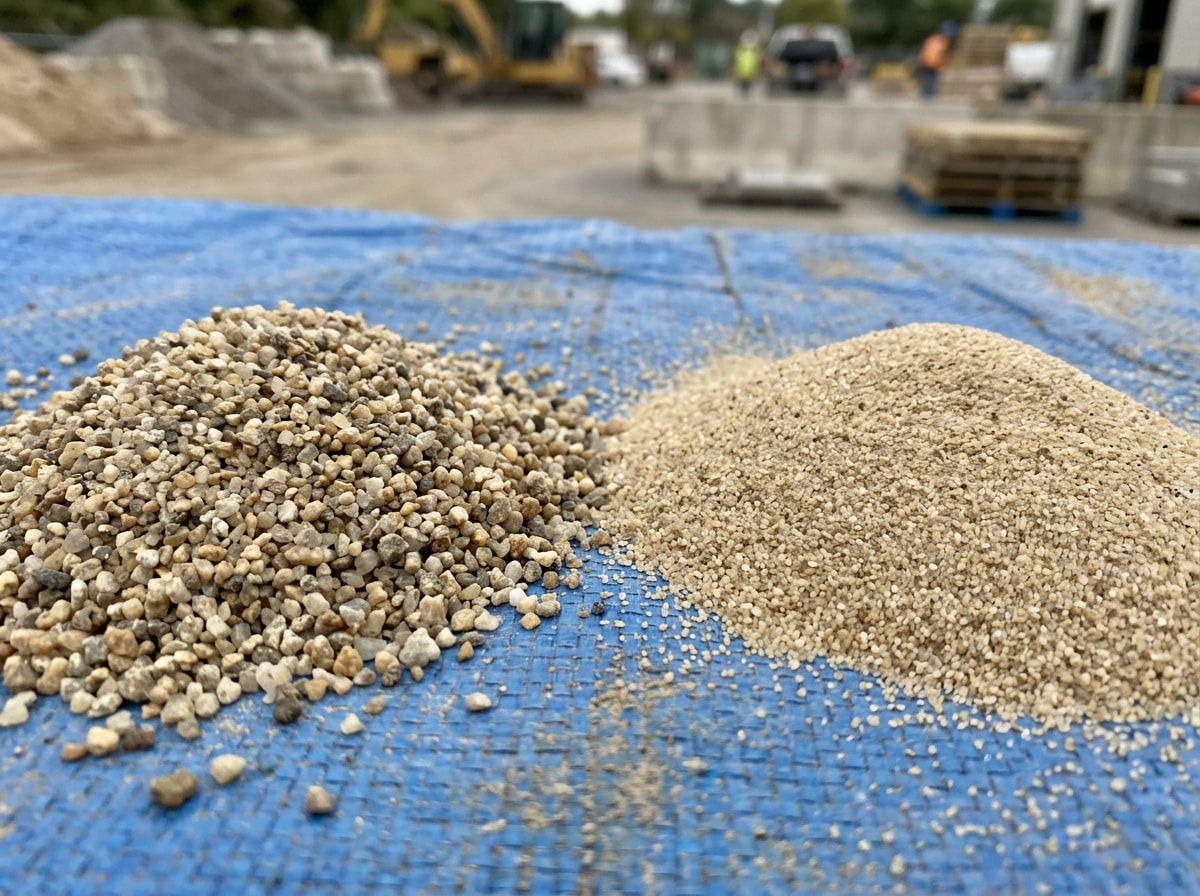
- Concrete sand is coarse, washed, and low in fines, making it the correct choice for structural pours and sand mix concrete alike.
- Mason sand is finer and better suited to mortar joints and paver leveling, not structural mixing.
- Washed sand has had silt and clay rinsed out, improving bond strength and cutting down on shrinkage cracking.
- Unwashed sand still carries fine debris that can weaken a cured mix over time.
Why Denver's Freeze-Thaw Climate Changes the Mix
This is the part most bagged-sand retailers skip, and it's where a contractor's judgment actually pays off. Sand mix has no air-entrainment control, so it's a poor choice for any exterior step or patio edge that will cycle through freeze-thaw all winter.
On repair calls across Cherry Creek and LoDo, we default to air-entrained ready-mix for exterior pours exposed to snowmelt or deicing salt, even when the homeowner only asked for a small patch. The reasoning is straightforward: concrete slabs saturated with water and exposed to cycles of freezing and thawing are susceptible to scaling, and as the number of freeze-thaw cycles increases, so does the potential for scaling, which deicing chemicals make worse by increasing surface saturation. Air-entrained concrete contains millions of small air bubbles that accommodate the expanding water and ice and prevent that stress buildup. You can read the full breakdown in NRMCA's technical note on concrete scaling. A patch that looks fine in October can flake apart by March if this gets skipped.
Common Concrete Projects We Handle in Downtown Denver & Cherry Creek
Spring and summer bring a predictable wave of requests in this part of the metro:
- Patio slab repairs on older LoDo properties, where sand mix patches cracked joints without a full re-pour.
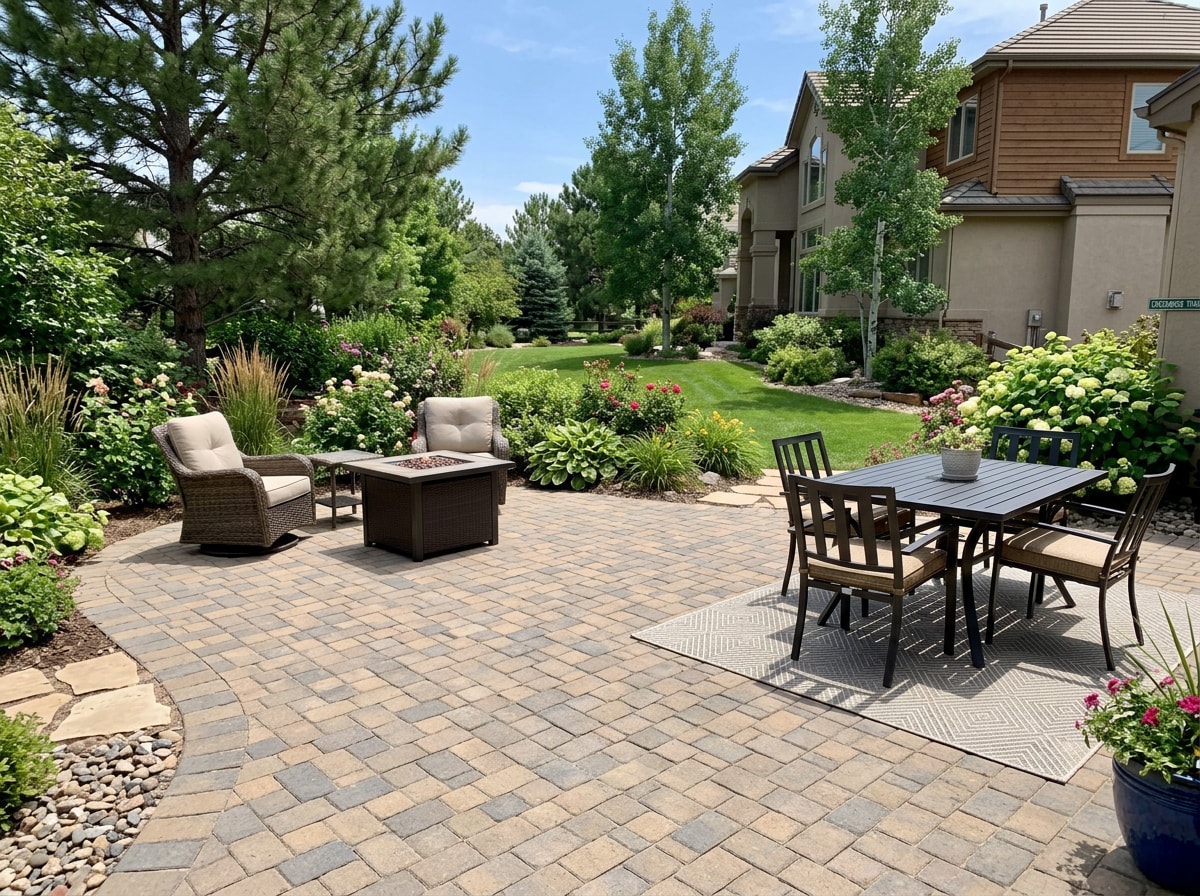
- Paver patio installs in Cherry Creek, which need properly graded bedding sand underneath, not just whatever bag is on sale.
- Stamped concrete refreshes for patios that need a decorative finish instead of plain gray slab.
- Small structural pours, like a single fence post footing or a mailbox base.
- French drain bedding for drainage fixes around older foundations with settling issues.
If your project leans toward a full patio rebuild rather than a patch, our concrete installation and stamped concrete teams handle both from design through finish. You can browse recent work on our projects page.
Permits and Delivery Logistics in Dense Downtown Blocks
Delivery and permitting work differently once you're inside the urban core compared to a suburban driveway job. Narrow streets, loading-dock access, and limited staging space all come into play.
A Right of Way Construction Permit is needed for adding or replacing sidewalk, curb and gutter, or concrete paving, and any time you're occupying or working in the Right of Way, you need a permit. Confirm requirements on the Denver Right-of-Way Services FAQ before scheduling a pour that touches the sidewalk or curb cut, since staging rules and lead times vary by block.
Lead times typically run one to three business days for bagged orders and longer for scheduled ready-mix pours during peak construction months. Orders under roughly three cubic yards often carry a short-load fee, so confirm minimums before booking delivery anywhere downtown.
Why Hire a Local Contractor Instead of DIY Bagged Mix
Bagged sand mix works fine for a single small repair. It gets expensive and risky fast once a project needs volume, proper sand grading, or a climate-appropriate mix design. A local concrete contractor can match the exact grade, pull the right permit, and specify air-entrained mix where Denver's winters demand it.
If you're planning a patio rebuild, step repair, or new slab in the area, our team covers the full Downtown Denver & Cherry Creek footprint. For a deeper look at slump ranges by project type in a nearby market, see our companion guide on concrete slump in the South Denver Suburbs.
Ready to scope your project? Get a free estimate from Peppers Land Design, or start at our homepage to see the rest of our hardscape and landscape services.
This guide reflects field notes from the Peppers Land Design concrete crew, who pour and repair flatwork throughout Downtown Denver and Cherry Creek year-round.
FAQ
What is the difference between concrete mix and sand mix?
Concrete mix contains coarse gravel or stone alongside cement and sand, giving it the strength needed for structural pours like footings and slabs. Sand mix skips the coarse aggregate entirely, making it a patching product suited for thin repairs, leveling, and cosmetic finishes, not load-bearing work.
Can sand mix be used for a driveway or structural slab?
No. Sand mix caps out around a two-inch application depth and has no coarse aggregate, so it can't carry the loads a driveway or structural slab requires. Use standard concrete mix or ready-mix delivery for anything load-bearing.
How much does ready-mix concrete cost per yard in the Denver area?
Ready-mix pricing varies with PSI strength, order size, and delivery distance, and shifts with cement and fuel costs. Short-load fees and higher-strength mixes push the price up, so always ask your supplier or contractor for an itemized quote before booking.
Do I need a permit to pour concrete in Downtown Denver?
If the work touches a public sidewalk, curb, gutter, or anywhere in the public right-of-way, yes. Denver's Right-of-Way Services requires a permit any time you're occupying or working in that space, and most residential patios set back from the street won't need one.
Is bagged concrete or ready-mix cheaper for small jobs?
Bagged concrete or sand mix is usually more economical for anything under roughly one cubic yard, since you avoid delivery minimums and short-load fees. Once a project crosses that threshold, ready-mix delivery typically wins once labor and mixing time are factored in.